

AI mapping is revolutionising perimeter-free lawn care systems’ exterior management. Modern robot mowers analyse lawns, recognise objects, and produce digital maps using cameras, sensors, and sophisticated software instead of predefined borders. This technology automates mowing in gardens with varying sizes, obstacles, and planting areas. AI-powered mapping lets the mower comprehend its surroundings and alter courses as conditions change. Homeowners benefit from simpler setup, more efficient coverage, and easier grass care without border placement.
How AI Mapping Technology Works in Lawn Care Systems
Object recognition and spatial learning in real time
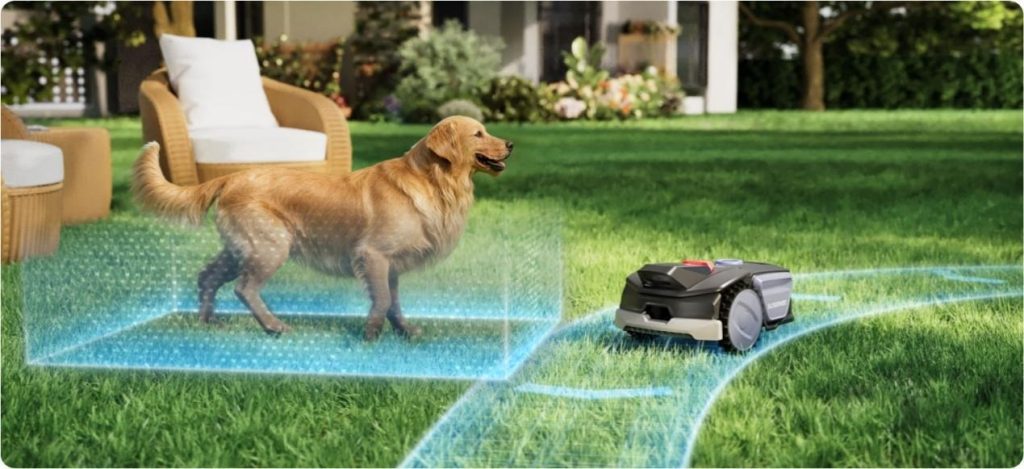
AI mapping systems use object recognition to detect obstacles, grass characteristics, and changing circumstances during mowing. The system learns about the yard using cameras and sensors. The mower remembers walkways, gardens, and open mowing sites using spatial learning. Real-time awareness improves movement decisions and decreases object contact. The mower may enhance its grass navigation as it learns more.
Digital lawn modeling and virtual boundary creation
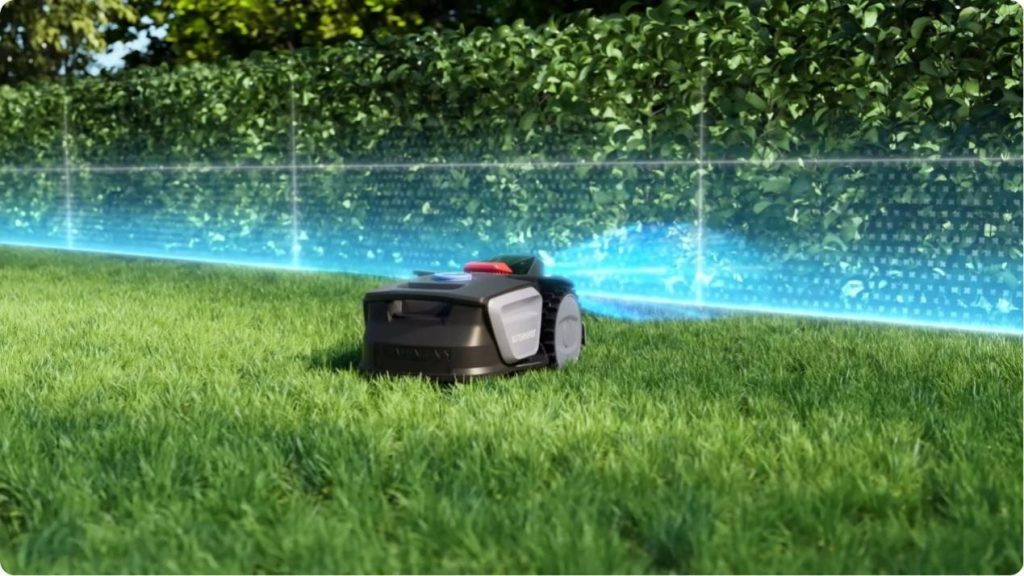
Digital lawn modelling lets homeowners control mowing areas without border wires. For difficult lawns with challenging borders, curving edges, or small passages, Sunseeker Tech provides sophisticated robot lawn mowers with virtual limits. AI path planning, 3D fusion sensing, laser detection up to 50 m, realistic app mapping, and no-go zones provide accurate digital lawn control. This method uses sophisticated mapping technologies to designate working areas and manage mowing coverage.
Continuous map updates through machine learning systems
Machine learning systems enhance AI mapping with frequent usage and environmental changes. The mower can learn about the lawn, movement patterns, and obstacles as it runs. Regular updates improve digital map accuracy, aiding navigation. This adaptive method allows the mower to adjust to seasonal changes, garden plan modifications, and new outside elements. Regular learning boosts productivity and ensures reliable mowing without manual remapping.
Core Features of AI Mapping for Lawn Automation
Dynamic zone detection for complex yard layouts
Dynamic zone detection helps robot lawn mowers without perimeter wires manage lawns with multiple sections, different surfaces, and varied layouts. AI mapping can identify separate areas and organize mowing tasks based on the structure of the yard. This is useful for properties with gardens, pathways, play spaces, or narrow lawn sections that require different approaches. By understanding each zone, the mower can create more efficient mowing patterns and avoid unnecessary movement. Dynamic detection makes automated lawn care more flexible for homes where a simple single-area approach is not enough.
Intelligent path planning for full lawn coverage
AI mapping systems use intelligent path planning to cover the entire lawn efficiently. The mower uses the digital map to choose organised pathways to enhance coverage. This helps the mower finish jobs with fewer movements and reduces missing areas. Path planning is useful for bigger or irregularly shaped yards when manual boundary control is challenging. The mower can maintain regular grass care while saving time and energy by merging location and mapping data.
Adaptive routing based on environmental changes
AI mapping systems respond to changing weather with adaptive routing. When it encounters new obstacles, lawn changes, or navigation needs, the mower may adjust. This versatility keeps mowing efficient. Temporary items, seasonal alterations, and garden layouts are environmental changes. AI-powered systems improve coverage by modifying routes instead of following set patterns. Adaptive routing keeps the mower running smoothly amid changing grass conditions.
Setting Up AI Mapping for Perimeter-Free Mowing
Initial lawn scan and digital map creation process
The initial lawn scan lays the groundwork for AI-powered mowing. The mower analyses the outdoor area, recognises essential characteristics, and creates a digital working space map during setup. The system learns grass borders, barriers, and pathways from this procedure. A thorough initial scan gives the mower precise information before regular operation, improving navigation. Homeowners can improve mapping results by clearing the grass. A good digital map simplifies automatic mowing from the outset.
Defining mowing zones and no-go areas in the app
App controls let homeowners organise mowing regions and create yard-specific no-go zones. User-marked areas can be mowed, and flower beds or delicate garden portions left alone. These options allow the mower to follow customised instructions instead of treating the entire property as open. Clear zone management enhances precision and reduces mobility. As their outside spaces change, homeowners may modify mowing preferences with app-based controls.
Fine-tuning map accuracy through app adjustments
After setup, map accuracy fine-tuning ensures dependable functioning. Users may check mapped regions, tweak borders, and update settings as lawn patterns change using the app. These modifications let the mower gauge new circumstances and navigate. Simple digital map updates can increase route efficiency and coverage. Gardens that vary regularly owing to landscaping, seasonal flora, or outside activities benefit from regular inspection. App-based modifications match the yard structure to the mapping system.
Optimizing AI Mapping Performance in Daily Use
Improving mapping accuracy with regular lawn updates
AI mapping systems need frequent updates to be accurate when outside areas change. New plants, furnishings, seasonal growth, and landscaping may modify gardens. Updating the digital map lets the mower recognise these changes and continue effective courses. Ongoing improvements improve lawn coverage and eliminate navigation mistakes. Regular map reviews by homeowners help the system run well. This simple practice keeps the mower responding to yard circumstances.
Enhancing navigation in complex or multi-zone yards
AI mapping organises complex or multi-zone yards better. By analysing grass portions, walkways, and barriers, the mower can choose zone-specific courses. Avoiding needless travel helps sustain property-wide mowing outcomes. AI navigation works well in irregularly shaped or linked yards. Correct mapping settings and zone definitions let the mower handle difficult layouts more efficiently and with less user input.
Ensuring stable operation with smart system maintenance
Smart system maintenance maintains AI mapping performance. Clean sensors, examine moving parts, and update software settings for precise navigation and dependable functioning. Dust, dirt, and physical damage might impair the mower’s perception. Regular maintenance helps the mapping system acquire correct data and make better movement decisions. Simple maintenance methods safeguard long-term performance and reduce disruptions. Well-maintained mowers can provide automatic lawn maintenance in changing weather.
Conclusion
AI mapping helps robot mowers navigate and manage complicated outdoor settings, making perimeter-free lawn maintenance possible. These technologies improve mowing accuracy and flexibility through object detection, digital mapping, intelligent routing, and continual updates. Clear zones, updated maps, and needed maintenance can enhance results for homeowners. AI-powered mapping makes automated lawn management smarter for landscapes with unusual layouts, obstacles, or several regions. Perimeter-free mowing is easy to maintain and provides consistent grass coverage with the correct setup and upkeep.

