

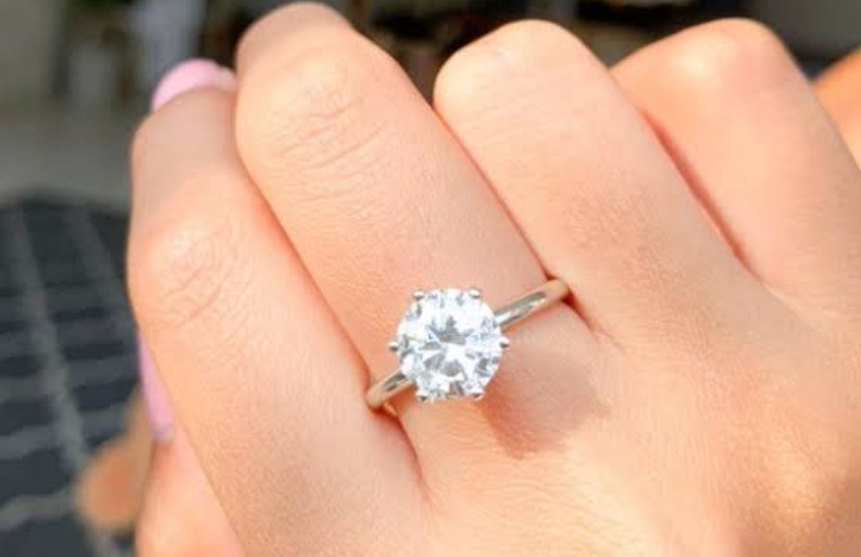
A diamond is rarely understood correctly when it is judged by only one quality. Many people begin with carat because it is the easiest number to remember, but a diamond’s true character comes from the way its qualities support one another. Weight may give the stone presence, yet brilliance, appearance, and value are shaped by more than weight alone.
The 4Cs—carat, cut, color, and clarity—were created to help people compare diamonds more consistently. Each factor explains a different part of the stone. Carat measures weight. Cut describes how well the diamond handles light. Color tells us how white or warm the stone appears. Clarity reveals the natural internal or surface features that may be present. Separately, these details are useful. Together, they create a more complete picture.
For buyers, sellers, and jewelry enthusiasts, the most important lesson is balance. A diamond with a higher carat weight is not always more beautiful. A diamond with excellent clarity may still look less impressive if the cut is weak. A stone with a warmer color grade may still appear elegant when paired with the right shape and setting. Understanding how the 4Cs work together allows people to see a diamond with more confidence and less confusion.
Carat Gives Presence, but It Needs Support
Carat is the measure of a diamond’s weight. It influences price because larger diamonds are rarer and often more desirable. A one-carat diamond usually attracts more attention than a smaller stone, and larger carat weights can create a stronger sense of importance in a ring or fine jewelry piece.
However, carat alone does not guarantee beauty. A heavier diamond may not look as impressive as expected if the weight is poorly distributed. Some diamonds carry weight in their depth, making them appear smaller from above. Others may have a generous face-up appearance but lack the right proportions for strong light performance.
This is why carat should be seen as presence, not perfection. It gives the diamond physical substance, but that substance must be shaped well. Without a good cut, pleasing color, and suitable clarity, carat weight can feel incomplete. A larger diamond may catch attention first, but the other qualities determine whether it continues to impress.
A well-balanced diamond does not rely on size alone. It uses weight intelligently, allowing the stone to look graceful, bright, and appropriate for its purpose.
Cut Is What Brings the Diamond to Life
If carat gives a diamond presence, cut gives it life. Cut affects how light enters the stone, reflects inside it, and returns to the eye. This is why a well-cut diamond can appear lively, bright, and full of movement, even if it is not the largest stone in the selection.
Cut is sometimes misunderstood as shape, but they are not the same thing. Shape refers to the outline of the diamond, such as round, oval, pear, emerald, or cushion. Cut quality refers to proportion, symmetry, polish, and how effectively the diamond interacts with light. A round diamond and an oval diamond can both be beautifully cut or poorly cut.
This factor can change the way carat is perceived. A smaller diamond with excellent cut quality may appear more attractive than a larger stone with weak light return. When the cut is strong, the diamond can look brighter and more balanced. When the cut is poor, the diamond may look dull, even if the certificate shows a desirable carat weight.
For people comparing stones, this relationship is essential. A diamond should not be chosen only because it is heavier. It should be chosen because the weight is supported by craftsmanship that allows the stone to perform visually.
Color and Clarity Shape the Diamond’s Personality
Color and clarity add another layer to the diamond’s identity. They influence how clean, bright, and refined the stone appears, especially when viewed closely or set in jewelry.
Color refers to the presence or absence of body color in a diamond. Many buyers prefer diamonds that appear white or near colorless, especially in white gold or platinum settings. However, color perception can change depending on the diamond’s shape, size, lighting, and metal setting. A slightly warmer diamond may still look beautiful when placed in yellow gold or rose gold, where the warmth feels more natural.
Clarity describes internal inclusions and surface features. These characteristics are part of a diamond’s natural formation. Some are difficult to see without magnification, while others may be visible to the eye. Clarity affects value, but it should also be judged practically. An eye-clean diamond with minor inclusions may be a more sensible choice than paying significantly more for a higher clarity grade that looks nearly identical in daily wear.
Together, color and clarity shape the personality of the diamond. They do not work separately from carat and cut. In larger diamonds, color and inclusions may become easier to notice. In well-cut diamonds, brightness can sometimes soften the visual impact of slight color or small inclusions. This is why each quality must be read in context.
The Best Diamonds Are Built on Balance
The 4Cs are most useful when they are considered together rather than ranked as separate priorities. A buyer may want a larger diamond, but the best result often comes from balancing carat with cut, color, and clarity. A seller may focus on weight, but an appraiser will consider whether the weight is supported by the rest of the grading profile.
A diamond with moderate carat weight, excellent cut, attractive color, and clean appearance may offer better overall appeal than a heavier diamond with obvious weaknesses. In the same way, a very high clarity grade may not add much visual value if the cut does not allow the diamond to sparkle beautifully.
This balanced approach is especially important when choosing jewelry for long-term wear. A diamond is not viewed as a number in daily life. It is seen in movement, under changing light, against the skin, and within a setting. The most satisfying diamonds are usually those where the qualities feel harmonious.
For readers who want to understand how carat works with cut color and clarity, it helps to view the 4Cs as a connected system rather than four separate boxes to check. Each factor influences the way the others are experienced.
Conclusion
Carat, cut, color, and clarity work together to define a diamond’s beauty, value, and character. Carat gives the stone weight and presence, but cut determines how lively it appears. Color influences visual purity, while clarity affects how clean and transparent the diamond feels. None of these qualities should be judged in isolation.
This is why two diamonds with similar carat weight can look and feel completely different. One may be bright, balanced, and elegant because its cut, color, and clarity support its weight. Another may be heavier but less appealing because its qualities do not work together as well. The number on a certificate can guide the conversation, but the complete diamond must be judged by harmony.
For buyers, understanding the relationship between the 4Cs helps prevent decisions based only on size or price. It encourages a more thoughtful comparison, where beauty and value are considered together. For sellers, it explains why appraisal looks at the full quality profile rather than one measurement alone.
A diamond becomes truly meaningful when its qualities support one another. Carat may be the first detail people notice, but the full value of a diamond is found in balance. When weight, light, color, and clarity come together naturally, the result is not just a gemstone with measurable qualities. It is a diamond with presence, refinement, and lasting appeal.

