

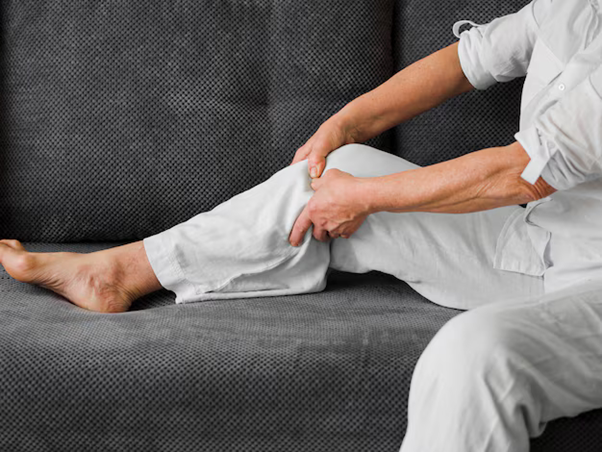
It was a throwaway comment. I was lying face-down on a treatment table, halfway through a session, when my physical therapist said something like, “A lot of my patients who struggle with slow recovery have been trying magnesium cream for muscle recovery. Some of them are really happy with it.”
Then she moved on. Changed the subject. I kept working.
But I didn’t move on. I went home, opened my laptop, and fell down a rabbit hole that eventually led me to HiRelief and honestly, it changed how I think about recovery entirely.
Why I Was Even at a Physical Therapist
A little context. I’m not a professional athlete. I’m a 38-year-old who started taking fitness seriously about two years ago, strength training four days a week, occasional long runs on weekends. Nothing extreme, but enough that my body started pushing back.
The issue wasn’t injury exactly. It was a recovery. Or the lack of it. I’d finish a hard lower-body session and spend the next two days walking stiffly, sleeping poorly, and feeling a dull ache in my quads and hamstrings that just wouldn’t clear. By the time the soreness faded, it was almost time for the next session. I was never fully recovered. I was just perpetually half-sore.
My PT had been helping me with hip mobility, and I’d mentioned the recovery problem in passing. That’s when the comment about magnesium cream for muscle recovery came up.
What I Learned When I Actually Started Researching
Magnesium is involved in over 300 enzymatic processes in the body. That’s not marketing language, that’s biochemistry. Among those processes: muscle contraction, protein synthesis, and the regulation of the nervous system’s response to physical stress.
When magnesium levels are low, which they often are in active people who sweat regularly, the body’s ability to recover from exercise slows down. Muscles stay in a tighter, more reactive state. Inflammation lingers. Sleep suffers.
Oral supplements exist, but gut absorption is inconsistent, and higher doses cause digestive issues for a lot of people. That’s where transdermal application comes in. You apply magnesium cream for muscle recovery directly to the skin over the affected muscles, and it absorbs without going through the digestive system at all.
Whether that mechanism fully holds up under clinical scrutiny is still being studied. But the anecdotal evidence from athletes, physical therapists, and trainers is substantial enough that it’s worth paying attention to.
Finding HiRelief
After a few hours of research, I kept landing on the same brand: HiRelief. Their magnesium chloride cream kept coming up in forums, PT discussions, and a few editorial-style reviews. Their main site is myhirelief.com, and the product is also available through getheyfra.com and try.gethirelief.com, same formula, same product, just different access points depending on where you find them.
I ordered through try.gethirelief.com and had it within three days.
How I’ve Been Using It (And What Actually Changed)
I kept it simple. After every training session, I’d apply HiRelief magnesium cream for muscle recovery directly to whatever muscle groups I’d worked that day, legs after squat and deadlift sessions, shoulders and upper back after pressing days. On nights when I felt particularly tight, I’d add a small amount to my calves before bed.
Week one: Honestly, I wasn’t sure. The cream absorbs cleanly, doesn’t feel greasy, and has a faint neutral scent. But I wasn’t ready to declare anything yet.
Week two: I noticed I was sleeping more deeply on training days. This was the first real signal. Magnesium has a well-documented relationship with sleep quality, particularly in the deeper restorative stages. That improvement alone felt meaningful.
Week three onward: The post-session soreness was still there; I wasn’t expecting it to disappear but it was clearing faster. What used to linger for 48 hours was mostly gone by 30 to 36. That might not sound dramatic, but when you’re training consistently, those hours matter. I was getting to sessions feeling more ready.
By the end of month two, using magnesium cream for muscle recovery had become as automatic as stretching. I don’t think about it anymore. It’s just part of the routine.
What My PT Said When I Told Her
At my next session, I mentioned I’d actually tried it. She wasn’t surprised.
“Most people don’t follow up on those kinds of suggestions,” she said. “The ones who do usually notice something.”
She added that she sees the most consistent results in people who are moderately active and chronically under-recovered, which, frankly, describes most adults who exercise without the support staff of a professional sports team. No ice baths. No massage therapists on call. Just sore muscles and not enough sleep.
For that group, she said, magnesium cream for muscle recovery support fills a real gap, one that’s otherwise difficult to address without more aggressive interventions. That framing made a lot of sense to me.
A Few Practical Notes
If you’re considering trying it, a few things I’d pass along:
Apply it while the skin is still slightly warm from a shower, absorption feels more effective that way. Use enough to actually cover the muscle belly, not just a thin smear. And give it time. I noticed sleep changes in week two and recovery changes in week three. If you quit after five days, you won’t have a fair read on it.
You can find HiRelief at myhirelief.com, or if you come across it through getheyfra.com, it’s the exact same product. Order from wherever is easiest.
Final Thoughts
I started looking into magnesium cream for muscle recovery because of one offhand comment from a PT who probably forgot she’d even said it. Three months later, it’s a permanent part of how I train and recover.
I’m not recovering like a 22-year-old. I’m not suddenly soreness-free. But I’m sleeping better, recovering faster, and getting to each session with less residual fatigue than I was before. For someone training consistently without professional recovery support, that’s a real and meaningful difference.
If your PT ever mentions something in passing, write it down. Sometimes the throwaway comments are the ones worth chasing.

