

Walk into any specialty coffee shop and you’ll hear the rhythmic hum of grinders working throughout the day. This isn’t coincidence or tradition—it reflects a fundamental truth about coffee that most home brewers overlook. The grind quality influences extraction more than water temperature, brewing method, or even bean origin. Yet countless coffee lovers invest in premium beans and sophisticated brewing equipment while neglecting the single component that bridges them together.
Blade coffee grinder systems represent the entry point for most people transitioning from pre-ground coffee to fresh grinding. These straightforward machines use a spinning blade to chop beans into smaller pieces, offering an accessible introduction to the difference fresh grinding makes. Understanding how blade grinders work, what they do well, and where they show limitations helps you make an informed decision about whether they suit your coffee needs.
How Blade Grinding Actually Works
The mechanics behind a blade grinder are deceptively simple. A single blade spins at high speed inside a chamber, impacting coffee beans repeatedly until they break down into smaller fragments. The longer you run the grinder, the finer the resulting grind becomes. This simplicity makes blade grinders reliable and affordable, with few moving parts that might fail.
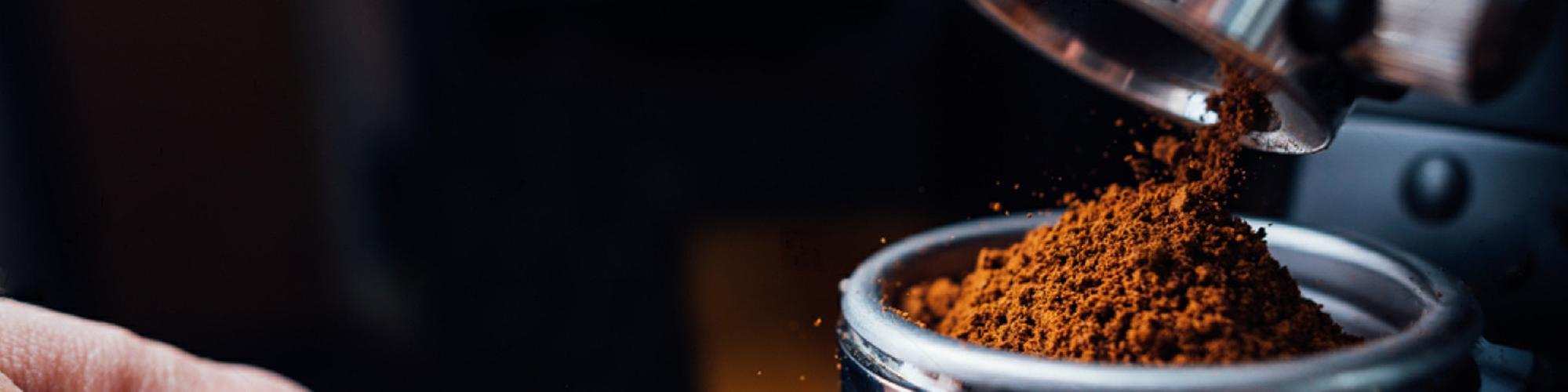
However, this chopping action creates inherent inconsistency. Some particles become powdery fine while others remain relatively large, even after extended grinding. This variation matters because different particle sizes extract at different rates during brewing. Fine particles over-extract quickly, contributing bitterness, while larger chunks under-extract, adding sourness or weak flavors.
The impact method also generates more heat than grinding mechanisms that crush or cut beans. Friction from the spinning blade can warm the coffee grounds, potentially affecting delicate flavor compounds before brewing even begins. For most everyday coffee preparation, this heat impact remains minimal, but it becomes more noticeable with longer grinding times required for finer grinds.
Where Blade Grinders Excel in Daily Use
Despite their technical limitations, blade coffee grinder units serve specific needs exceptionally well. For drip coffee makers and French presses, which are more forgiving of grind inconsistency, blade grinders produce perfectly acceptable results. These brewing methods don’t require the precision that espresso demands, making the particle size variation less critical.
The compact footprint of most blade grinders suits smaller kitchens or limited counter space better than bulkier burr alternatives. Their lightweight design and cord-wrap features make them easy to store in a cabinet and retrieve only when needed. This convenience matters for casual coffee drinkers who don’t grind beans multiple times daily.
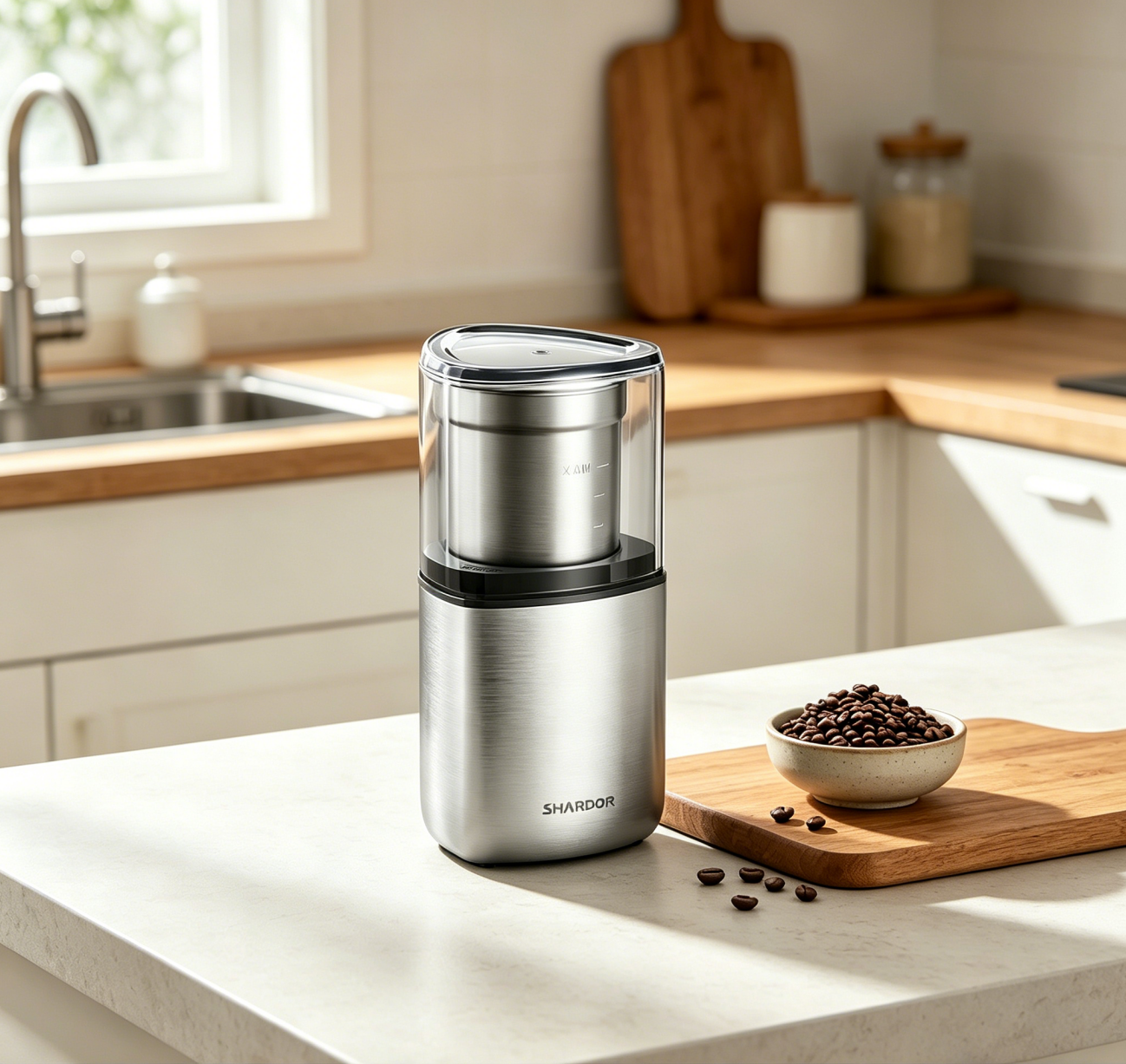
Cost effectiveness positions blade grinders as the practical choice for coffee newcomers exploring whether fresh grinding justifies the extra effort. Rather than investing significantly before knowing if you’ll maintain the habit, a blade grinder lets you test the waters. If you discover you genuinely taste the difference and grind beans regularly, you can upgrade later with confidence.
Cleaning and maintenance requirements stay minimal with blade systems. Most designs allow you to wipe out the grinding chamber with a dry cloth or brush, and some models even have removable chambers that can be washed. This simplicity means there’s less friction in your daily routine, making it more likely you’ll actually use the grinder consistently.
Maximizing Results from Blade Systems
Technique significantly impacts the consistency you can achieve with a blade grinder. Pulsing the grinder in short bursts rather than running it continuously helps create more uniform particle sizes. This approach prevents the smallest particles from turning to powder while larger pieces catch up. Pausing between pulses also allows heat to dissipate.
Shaking or tilting the grinder gently during pauses redistributes beans, ensuring all pieces encounter the blade rather than some getting trapped in corners. This simple motion improves consistency without requiring any additional equipment. Some users even employ a slight wrist rotation during grinding to create better particle distribution.
Measuring beans before grinding rather than eyeballing amounts ensures you’re working with the optimal quantity for your grinder’s capacity. Overfilling creates poor results because beans at the top never encounter the blade effectively, while underfilling means the blade mostly spins through air. Most blade grinders perform best when filled between one-third and one-half capacity, though SHARDOR models often specify optimal amounts in their instructions.
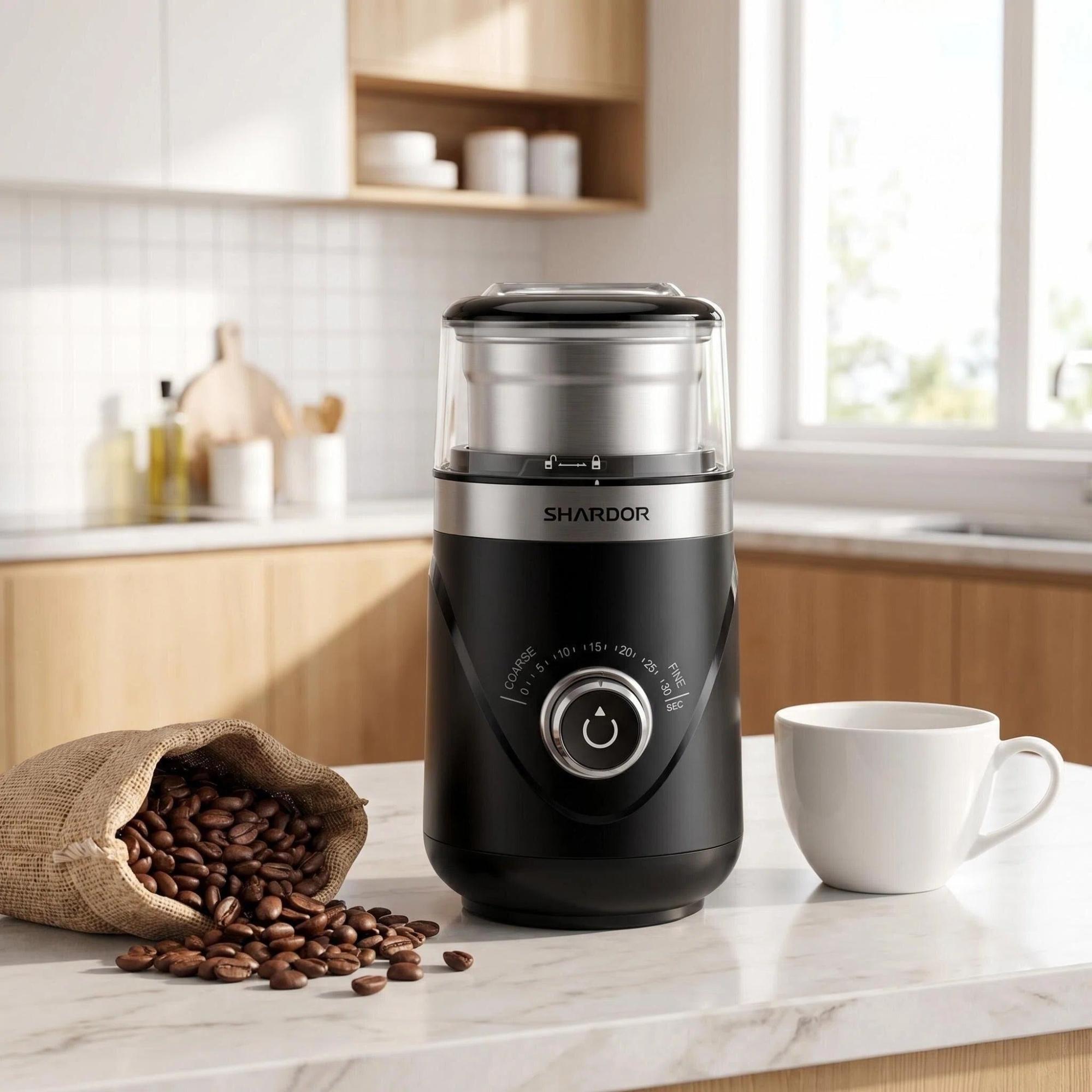
Timing your grinds creates repeatable results once you establish what works for your brewing method. Keep mental or written notes about how many seconds of pulsing produces your preferred consistency. This removes guesswork and helps you dial in your process, making morning coffee preparation faster and more reliable.
Recognizing When to Consider Alternatives
Blade grinders show their limitations most clearly when you expand beyond standard drip or press brewing. Espresso machines demand consistent, fine grinds that blade systems struggle to produce. The particle size variation creates channeling in the espresso puck, where water finds paths through the finer particles and bypasses the coarser ones, resulting in weak, unbalanced shots.
Pour-over methods with shorter brew times also reveal inconsistency issues more than immersion techniques. When water passes through grounds relatively quickly, the mix of over-extracted fine particles and under-extracted larger pieces becomes more apparent in the cup. You might notice simultaneously muddy and sour notes that don’t appear when using the same beans with more consistent grinding.
If you find yourself frustrated by unpredictable results despite careful technique, or if you’ve developed the palate to detect the flavor defects that particle size variation creates, these signs suggest you’ve outgrown what a blade grinder can deliver. This evolution is natural and indicates your coffee skills are progressing beyond entry-level equipment.
Making Blade Grinders Work for You
The blade coffee grinder occupies a specific role in the coffee equipment landscape. It’s not trying to be the ultimate solution for every brewing scenario, and that’s perfectly fine. For straightforward morning drip coffee, French press weekends, or testing whether fresh grinding actually matters to your palate, blade grinders deliver value far beyond their modest cost.
Success with blade systems comes from understanding their strengths and working within those parameters rather than fighting their inherent characteristics. Use appropriate brewing methods, develop consistent technique, and set realistic expectations. When you eventually decide to upgrade, that blade grinder makes an excellent backup or dedicated grinder for spices and other non-coffee grinding tasks. In the meantime, it’s helping you brew fresher coffee than you’d get from pre-ground alternatives, and that improvement alone justifies its place in your kitchen.

