

A cat crouches at the bowl, sniffs the still surface, and walks away. An hour later the same cat is drinking from the bathroom tap, lapping at a dripping faucet, or pawing at a glass on the counter. Owners often read this as fussiness. In most cases it is instinct. Cats evolved to distrust standing water, because a stagnant pool can carry bacteria and parasites, while moving water signals freshness. A bowl that sits in the same spot all day, collecting dust and hair, sends exactly the wrong signal.
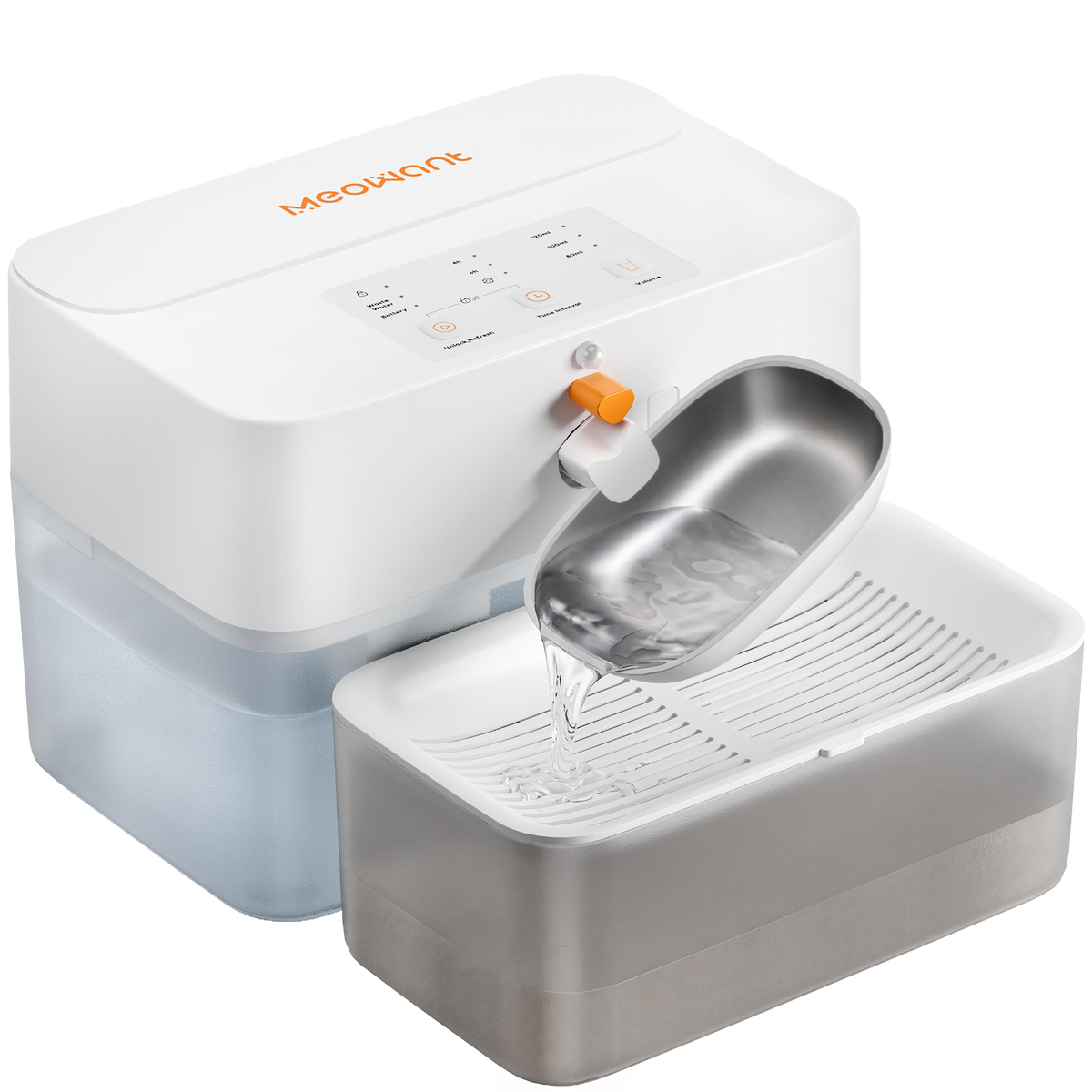
That is the case for a pet water fountain. These devices keep water circulating, filter it as it moves, and turn a static resource into something that behaves like a stream. The result is usually more drinking, which matters because cats are famously prone to dehydration and the urinary and kidney problems that follow. This guide explains the behavior behind the tap obsession, what a fountain changes, and how to choose and maintain one without turning it into another chore.
The Instinct Behind the Tap Obsession
Domestic cats descend from desert hunters, and their bodies are tuned to extract water from prey rather than gulp it from pools. That history left them with a weak thirst drive. A cat can feel perfectly fine while running slightly dry, which is why veterinarians see so many urinary issues in animals that seem healthy. When a cat refuses a bowl, it is not being difficult. It is following a hard-wired preference for water that looks and sounds alive.
There is a sensory layer too. Cats are sensitive to the smell of plastic, to water that has sat long enough to taste flat, and to bowls placed beside food. Many cats dislike drinking where they eat, a leftover from the instinct to keep a kill site separate from a water source. A fountain addresses several of these at once: it moves the water, filters it, and can be placed away from the food station. Owners who add a pet water fountain often report that a cat who barely touched a bowl suddenly visits the fountain several times a day.
What Moving Water Does for Hydration
Hydration is not an abstract wellness point. Water supports kidney function, helps keep urine dilute, and reduces the likelihood of crystals forming in the bladder. Cats with a history of urinary blockages, especially males, are often prescribed more water intake as a first line of management. Getting a cat to drink more is easier said than done, which is why anything that nudges intake upward is worth considering.
The Appeal of Flow and Sound
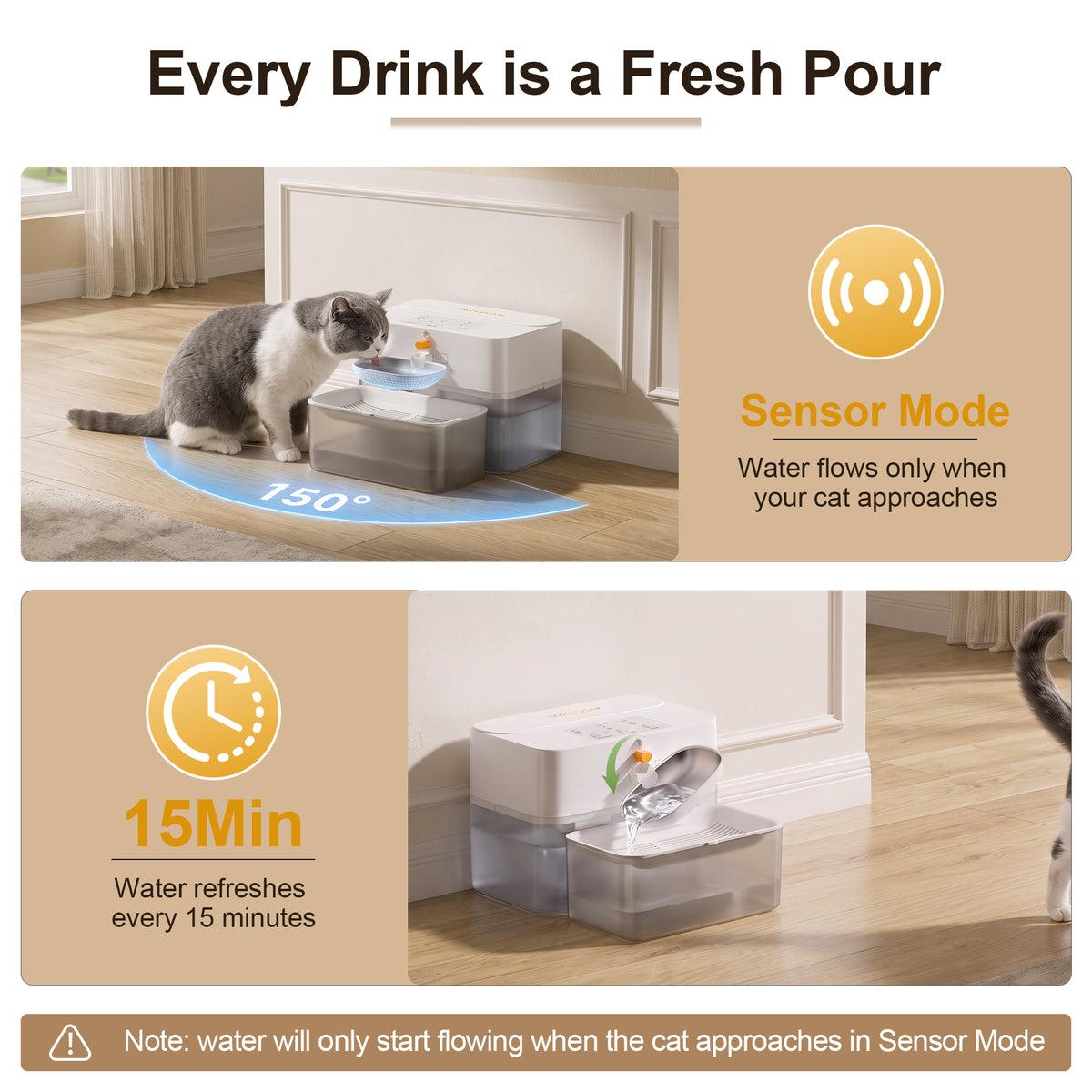
A fountain’s pump creates a gentle ripple or a small cascade. The motion catches a cat’s eye, and the sound draws attention in a way a silent bowl never does. Many cats investigate a fountain out of curiosity and stay to drink. The effect is strongest when the flow is calm rather than splashy; a noisy torrent can frighten a timid cat, while a soft stream invites a cautious approach. Adjustable flow settings exist for exactly this reason, and it is worth starting low and increasing only if your cat seems uninterested.
Filtration and Freshness
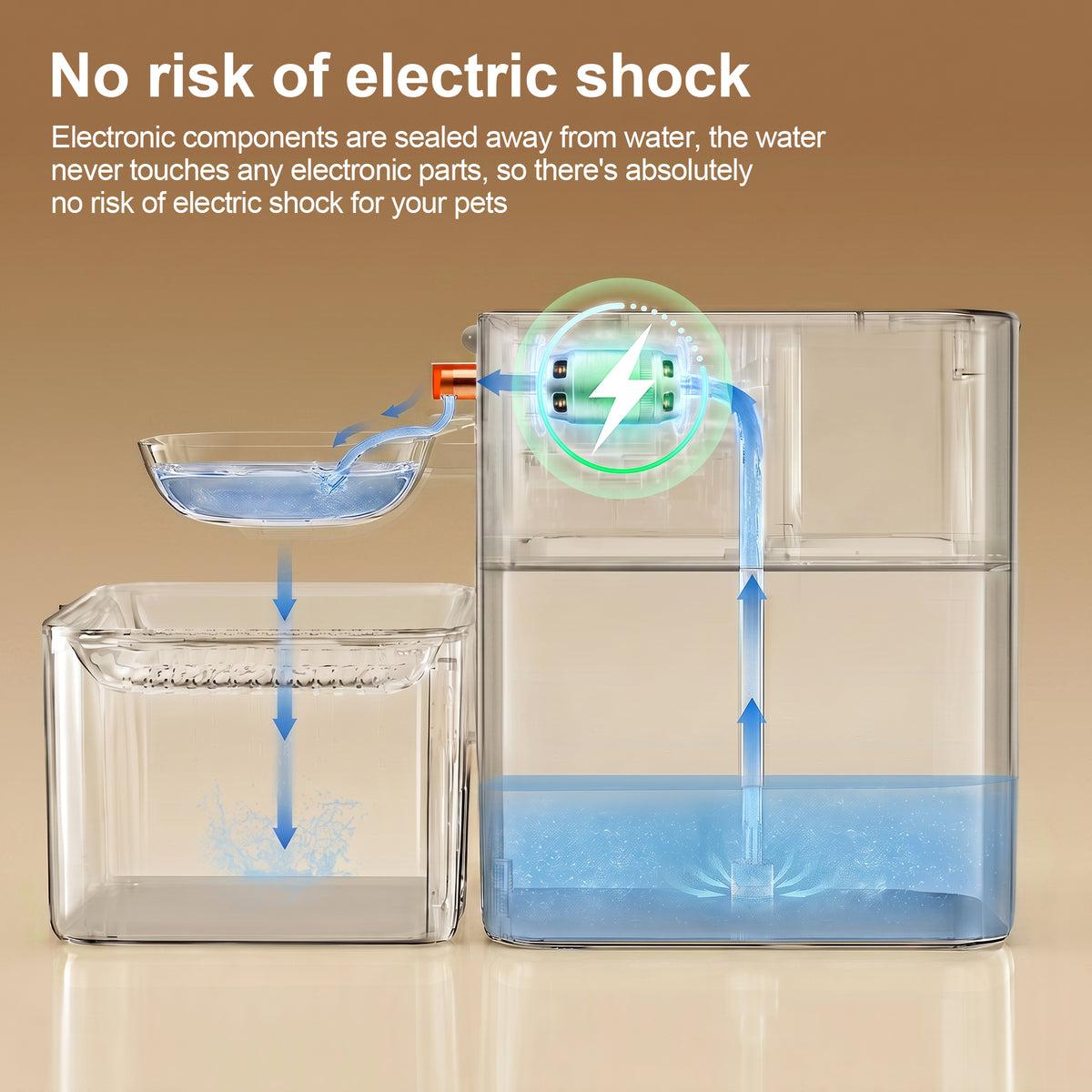
Circulation alone helps, but filtration is what keeps the water clean between refills. Most fountains pass water through a carbon filter that traps hair, dust, and some odors before returning it to the basin. That matters in a home where a cat sheds constantly and where a bowl left out collects debris within hours. A fountain with a filter effectively gives your cat a fresh drink every time the pump runs, rather than the same sitting water from morning to night.
Choosing a Fountain That Fits Your Home
The market ranges from simple gravity-fed designs to units with app alerts and multiple drinking tiers. The right choice depends less on features than on your cat, your floor plan, and how much maintenance you will realistically do.
Capacity, Material, and Noise
Capacity should match the number of cats and how often you are willing to refill. A single cat may do well with a compact unit, while a multi-cat home benefits from a larger reservoir that can last several days. Material matters for both hygiene and taste: stainless steel resists scratches and biofilm, ceramic stays cool and is easy to scrub, and plastic is light and affordable but can develop a lingering odor over time. Noise is the other quiet dealbreaker. A pump that hums at night will get unplugged, so listen to reviews that mention sound levels rather than trusting a spec sheet.
Placement and Power
Place the fountain away from the food bowl, on a surface that can handle splashes, and near an outlet you can reach without stretching a cord across a walkway. Cats like to drink from a vantage point where they can see the room, so a corner with a wall behind it often works better than an open floor. If your home has multiple floors, consider a second fountain upstairs; cats are more likely to drink when water is close by.
Keeping the Fountain Worth Drinking From
A fountain is only as good as its maintenance. Water that circulates through a dirty filter is still dirty water, and a slimy basin will send cats back to the tap. Build a simple rhythm: top up the reservoir every day or two, rinse the basin weekly, and scrub the pump and filter housing monthly. Replace filters on the schedule the manufacturer recommends, and watch for the pump slowing down, which usually signals hair wrapped around the impeller.
Clean with warm water and a pet-safe cleanser, and avoid harsh chemicals that can leave residue in the water path. If you notice a change in your cat’s drinking habits, such as a sudden increase or a complete refusal, treat it as a health signal rather than a product problem and check with your veterinarian. Brands such as Meowant build fountains with removable parts for exactly this kind of routine cleaning, which makes the weekly rinse a two-minute job instead of a project.
Helping a Hesitant Cat Make the Switch
Not every cat takes to a fountain on day one. Some are startled by the pump, others dislike the sound of splashing, and a few simply prefer the bowl they have always known. The transition is usually a matter of patience. Run the fountain unplugged for a day so the cat can investigate a silent object. Then turn it on at the lowest flow and place it near the old bowl, so the familiar drinking spot does not disappear overnight. Keep the old bowl filled until you see regular fountain visits, then remove it gradually.
It also helps to think about how your cat drinks. Some animals lap quickly and move on, while others settle in for a long, slow session. A fountain with a broad basin suits the second type, because the cat can drink without its whiskers brushing the sides of a narrow spout. Whisker fatigue is a real discomfort for some cats, and a wide, shallow surface avoids it. If your cat is particularly shy, place the fountain where it can see the room but not be surprised by someone walking past, and give it a few days before deciding the experiment has failed.
If your cat still avoids the fountain after a week, check the water temperature, the flow strength, and the placement. Cats often prefer cool water and a quiet corner. Some respond well to a fountain with a wide drinking surface rather than a narrow spout, because it mimics a puddle more than a faucet. Small adjustments usually solve the problem before a return becomes necessary.
A Small Change With a Noticeable Payoff
The tap obsession is not a quirk to tolerate. It is a cat telling you what kind of water it trusts. A fountain answers that instinct with movement, filtration, and a supply that stays fresh between refills. The payoff is not dramatic in the moment; it shows up as a cat that drinks more often, a litter box that stays better hydrated, and one less daily worry about urinary health.
The catch is upkeep. A fountain that is ignored becomes a stagnant bowl with extra parts, so the routine of rinsing and refilling is part of the deal. Owners who accept that trade end up with a simpler arrangement than they expected: a quiet stream in the corner, a cat that drinks without being coaxed, and a water source that no longer needs to be changed twice a day. That is a fair return for a few minutes of maintenance each week.

