

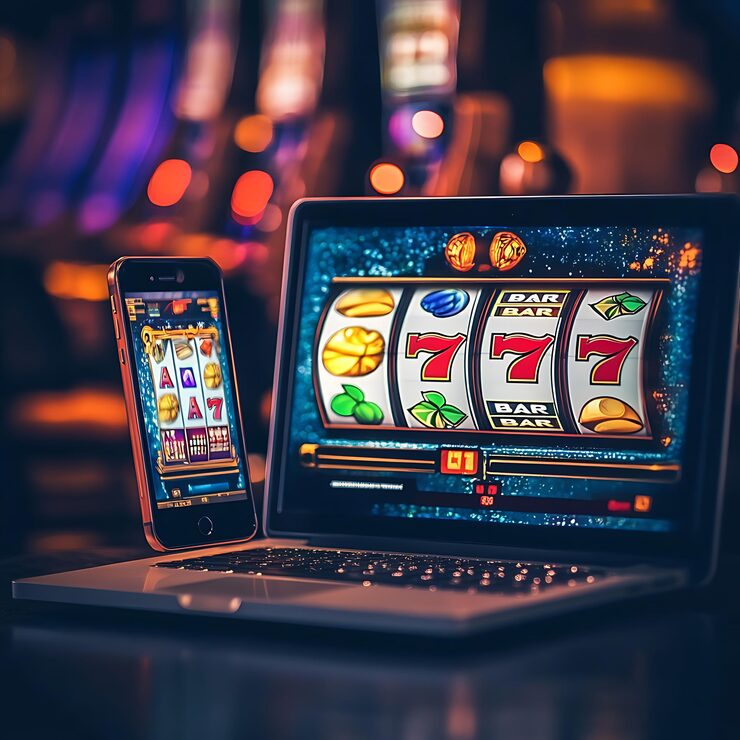
The history of slot gaming reflects a broader transformation in entertainment technology. Mechanical machines introduced recognisable symbols and reel-based interaction, while electronic systems and digital displays gradually expanded what developers could create.
Modern online slots retain elements of these earlier designs, but their presentation can include animated environments, alternative matching systems, and interfaces adapted for smartphones. Understanding this progression reveals how technological innovation has influenced a familiar entertainment format.
Mechanical Machines Established the Basic Concept
Early slot machines operated through physical reels and internal mechanical components. Their designs were limited by the number of symbols that could fit on each reel and the arrangements their mechanisms could support.
Traditional imagery, including bells, fruits, and bars, became closely associated with the format. These symbols were visually straightforward and could be recognised without detailed instructions.
Why Simplicity Was Important
Mechanical machines had limited space for displaying information. Designers therefore relied on compact arrangements and symbols that could be distinguished quickly.
Three-reel configurations became particularly recognisable. Their basic appearance continues to influence contemporary digital designs.
Electronic Components Expanded Functionality
The introduction of electronic controls allowed manufacturers to move beyond certain mechanical limitations. Additional lighting, sound effects, and more flexible internal systems became possible.
However, the transition was gradual. Many electronic machines retained familiar reel arrangements and traditional artwork rather than abandoning established designs immediately.
Video Displays Changed Artistic Possibilities
Video technology allowed developers to represent reels through software rather than physical rotating components. This created opportunities for additional symbol positions, animated graphics, and more elaborate information displays.
Five-reel arrangements became common in many video slot titles. Developers could also experiment with different themes without redesigning the physical construction of a machine.
The Development of Bonus Screens
Digital displays made it easier to introduce separate bonus sequences. A game could temporarily change its background, highlight special symbols, or display additional instructions.
These features increased presentation possibilities while remaining governed by mathematical rules. Their appearance did not make future results predictable.
Online Technology Introduced Remote Access
Internet connectivity allowed compatible slot software to operate through online platforms. This shifted part of the experience from dedicated physical machines to browsers and other connected applications.
Developers consequently needed to consider server communication, account management, security, and compatibility. These requirements introduced technical challenges beyond the artwork and mathematical model.
Mobile Devices Reshaped the Interface
The growing popularity of smartphones significantly influenced how developers design and present modern online slot games. Traditional desktop interfaces were created for larger monitors, where spinning reels, betting controls, information panels, and decorative elements could be displayed across a relatively spacious screen. Mobile devices introduced different requirements because they offer smaller displays and rely primarily on touchscreen interaction rather than mouse-based navigation.
One of the biggest challenges involved adapting existing game layouts without compromising readability or functionality. Simply reducing the size of a desktop interface could make important controls difficult to operate and essential information harder to understand. Developers therefore needed to reconsider how different elements were positioned, sized, and organised.
Symbol design also required adjustments. Detailed illustrations that appeared clear on desktop monitors could lose important visual characteristics when displayed on smaller screens. Developers began simplifying certain symbol designs, strengthening outlines, and improving colour contrast to maintain recognition across different devices.
Digital Themes Introduced Creative Variety
Modern games can feature animated characters, natural environments, fictional worlds, and elaborate soundtracks. These artistic elements allow similar reel mechanics to appear quite different.
When examining gaming-related references such as bandot88, readers should distinguish thematic presentation from the rules governing payouts. An elaborate visual environment does not establish that a game has more favourable probabilities.
Creative design can contribute to atmosphere, but it should not obscure wager amounts or exaggerate the significance of a result.
Alternative Matching Systems Expanded the Format
Traditional slots commonly evaluate symbols along specified paylines. Digital technology has also supported ways-to-win arrangements, cluster-based systems, and changing grid structures.
Cascading features can introduce multiple stages by replacing symbols after qualifying combinations. However, further stages are not guaranteed, and the exact conditions vary between titles.
Mathematics Remains Fundamental
Conventional online slots use random number generators to determine outcomes according to programmed rules. The visual movement of reels presents these results rather than providing a predictable sequence.
RTP describes theoretical long-term returns, while volatility concerns the distribution of payouts. Neither guarantees a particular financial outcome during an individual session.
Responsible Design Is Part of Modern Development
Digital gaming introduces responsibilities involving account security, transparent financial information, and user protection. Real-money platforms should provide clear conditions and appropriate safeguards.
Players should also verify the legal status of any service before participating. Attractive graphics and responsive controls do not establish that a platform is authorised or safe.
Conclusion
Slot gaming has progressed from physical mechanisms to sophisticated digital interfaces, retaining recognisable elements while introducing new artistic and technical possibilities.
This history demonstrates how established entertainment concepts can adapt to changing technology. The most effective modern designs combine creative presentation with clear rules, accessible information, and responsible operation.

