Learning basic first aid and CPR empowers you to handle medical emergencies with confidence instead of panic. This guide explains how practical, hands-on training works, why fast chest compressions save lives, and how blended learning makes certification easy for anyone with a busy schedule.
Have you ever witnessed a sudden medical emergency? It is a genuinely scary experience. Most people freeze up because they simply do not know what to do next. You might think you need an extensive background in medicine to help out, but that is totally false.
Enrolling in certified First Aid Training in Kingston changes everything. It strips away the fear and gives you a clear action plan. You learn simple, practical steps to stabilize someone until the paramedics finally arrive.
Why Do Fast Reactions Matter So Much?
When someone suffers sudden cardiac arrest, their heart stops pumping oxygen to the brain. You only have a few short minutes before permanent damage sets in. Depending on traffic and weather, an ambulance might take ten minutes or more to reach your location.
If you step in immediately with chest compressions, you act as the person’s temporary heart. You physically keep the blood flowing. That quick reaction can easily double or even triple their chances of surviving the ordeal.
What Will You Actually Practice in Class?
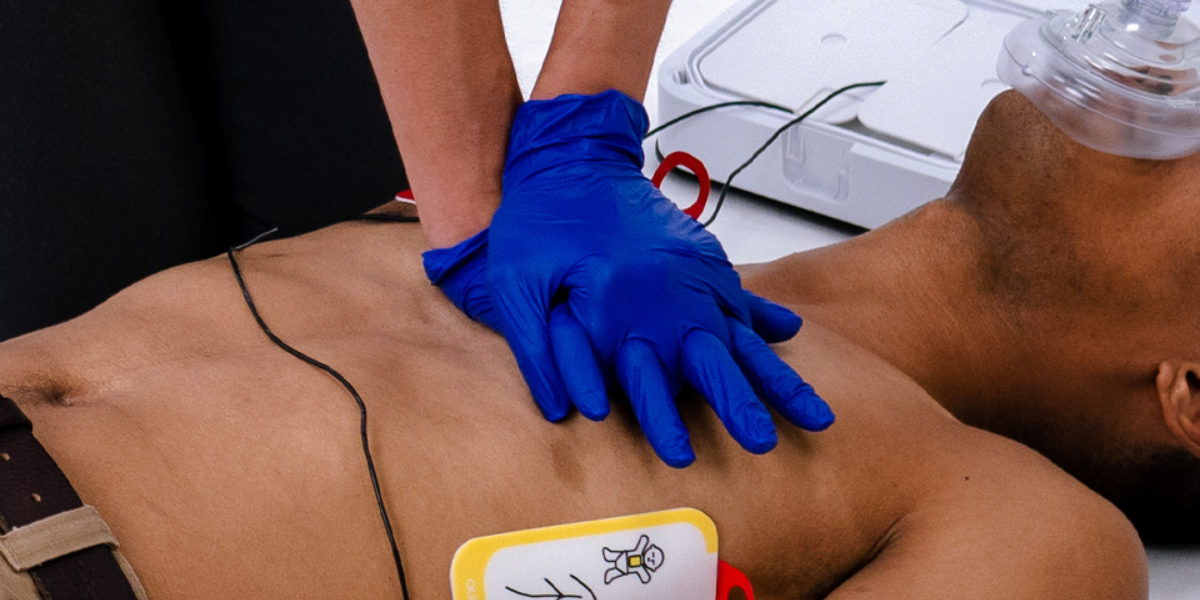
First aid courses are not about sitting through boring, dry lectures. They are heavily focused on physical repetition. You will practice CPR on a specialized dummy until you naturally feel the right rhythm and depth.
You will also get your hands on an Automated External Defibrillator (AED). These smart devices literally talk to you out loud, guiding you through every single step. Practicing with one in a classroom removes the hesitation you might feel during a real-life panic.
How Does Blended Learning Save You Time?
We all have packed schedules. Giving up an entire weekend for a traditional class feels impossible sometimes. Blended learning solves this issue by letting you complete the reading and theory modules online from your couch.
Once that is done, you just pop into a local facility for a short, hands-on skills session. It is the absolute smartest way to earn your WSIB-approved certification without wasting hours sitting at a desk.
If you are looking for first aid training near the Inner Harbour neighborhood, Montreal Street, or other areas close to our facility, then you may reach out to Coast2Coast First Aid/CPR – Kingston in that area.
What Are the Most Frequently Asked Questions About First Aid?
1. Will I accidentally hurt someone by doing CPR wrong? You might crack a rib, but a broken bone can heal. The person’s heart has already stopped, so you cannot make their condition worse. Your compressions are their best chance at survival.
2. How long does a first aid certificate last? A standard Red Cross certification is valid for three years. However, taking a quick annual refresher course is heavily recommended so you don’t lose your physical muscle memory.
3. Is hands-only CPR actually effective? Yes. If you do not have a barrier mask or feel uncomfortable giving mouth-to-mouth rescue breaths, pushing hard and fast in the center of the chest is still highly effective for teens and adults.
4. Can I use an AED on a child or infant? Yes, but you should ideally use pediatric AED pads, which deliver a smaller shock. If pediatric pads aren’t available, standard adult pads can be used by placing one on the chest and one on the child’s back.
5. Can online-only CPR certificates be used for work? No. Most official workplace safety boards and employers do not accept online-only certificates. You must pass an in-person physical skills session to prove you can perform the life-saving steps correctly.

