

Gutters play a crucial role in protecting your home from water damage by directing rainwater away from your foundation, siding, and landscaping. Over time, however, gutters can deteriorate due to exposure to the elements, debris buildup, and general wear and tear. Knowing when your gutters are too old is essential for maintaining the integrity of your home and avoiding costly repairs. Recognizing the signs of aging gutters can help you take timely action, ensuring your property remains safe and dry. This guide will help you identify the key indicators that your gutters may need to be replaced.
Signs Your Gutters Need Attention
Visible Damage and Wear
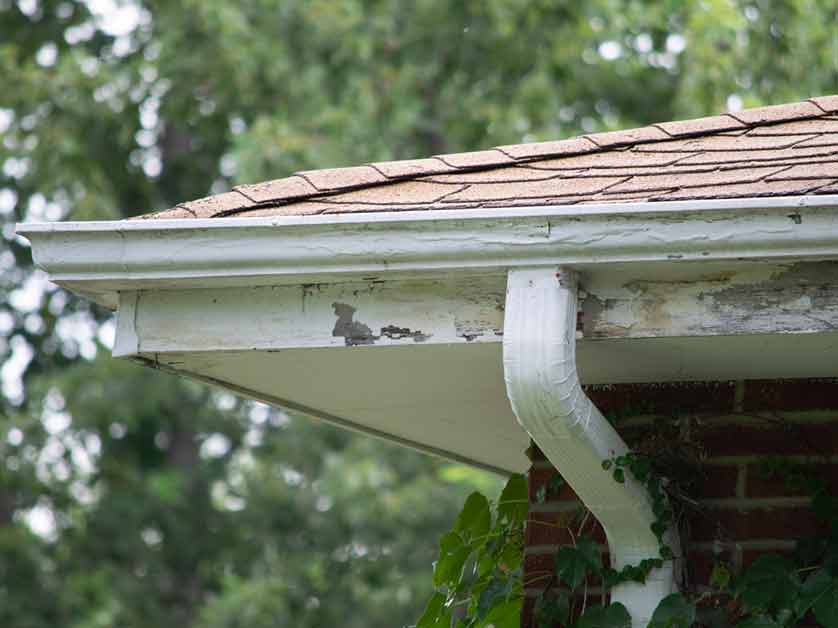
One of the most obvious signs that your gutters are too old is visible damage. Over the years, gutters can develop cracks, holes, and rust spots that compromise their ability to channel water effectively. If you notice sections of your gutters sagging or pulling away from the roofline, this is a clear indication that the fasteners or the gutter material itself may have weakened. Paint peeling or orange flecks, which indicate rust, are also warning signs that your gutters are nearing the end of their lifespan. These issues can lead to leaks and water overflow, which may cause damage to your home’s exterior and foundation. Regularly inspecting your gutters for these visible signs of wear can help you determine if it’s time to consider a replacement.
Water Damage Around Your Home
Water stains or damage on your home’s siding, fascia, or foundation can be a strong indicator that your gutters are no longer functioning properly. When gutters become clogged, cracked, or misaligned, they fail to direct water away from your home, leading to pooling around the foundation or water seeping into the basement. Over time, this can result in mold growth, wood rot, and even structural issues. If you notice mildew or peeling paint near your gutters, it’s likely that water is not being effectively diverted. Homeowners in Louisville who experience frequent rain should be especially vigilant, as the local climate can accelerate gutter deterioration. If you’re considering a gutter install louisville service, it may be time to replace your old system to prevent further water-related problems.
Frequent Clogs and Overflow
Gutters that are constantly clogged or overflowing, even after regular cleaning, may be too old to function efficiently. As gutters age, they can warp or become misshapen, making it easier for leaves, twigs, and debris to accumulate. This not only blocks the flow of water but also adds extra weight, which can cause the gutters to sag or detach from the house. Persistent overflow during rainstorms is a sign that your gutters are no longer able to handle the volume of water, possibly due to reduced capacity from internal corrosion or narrowing caused by debris buildup. If you find yourself cleaning your gutters more often than usual or noticing water spilling over the edges, it’s a strong indication that your gutter system is past its prime and may need to be replaced to protect your home from water damage.
Short Paragraph: When to Replace Gutters
If your gutters are more than 20 years old, it’s generally time to consider a replacement. Even with regular maintenance, most gutter systems have a limited lifespan due to constant exposure to weather and debris. Aging gutters are more prone to leaks, sagging, and other issues that can compromise your home’s protection. Replacing old gutters ensures your property remains safe from water damage and reduces the need for frequent repairs.
Mold, Mildew, and Pest Infestations
Another sign that your gutters are too old is the presence of mold, mildew, or pests around your roofline or foundation. When gutters fail to drain water properly, moisture can accumulate in areas where it shouldn’t, creating an ideal environment for mold and mildew to thrive. This not only affects the appearance of your home but can also pose health risks to your family. Additionally, standing water in clogged or damaged gutters can attract pests such as mosquitoes, ants, and even rodents. These infestations can quickly spread to other parts of your home, leading to further complications. If you notice an increase in mold growth or pest activity near your gutters, it’s a strong indication that your current system is no longer effective and should be replaced to maintain a healthy living environment.
Increased Maintenance and Repair Costs
As gutters age, the frequency and cost of maintenance and repairs tend to increase. You may find yourself patching leaks, reattaching loose sections, or repainting areas affected by rust more often than before. While occasional maintenance is normal, a constant need for repairs suggests that your gutters are reaching the end of their useful life. Investing in a new gutter system can save you money in the long run by reducing ongoing repair costs and preventing more serious damage to your home. Newer gutter systems are designed to be more durable and efficient, offering better protection and requiring less frequent maintenance. If you’re spending more time and money on gutter upkeep, it’s a clear sign that replacement is a more practical solution.
Conclusion
Recognizing when your gutters are too old is essential for protecting your home from water damage and avoiding unnecessary expenses. Visible damage, water stains, frequent clogs, mold growth, and increased maintenance are all signs that your gutter system may be past its prime. By paying attention to these indicators and acting promptly, you can ensure your home remains safe, dry, and structurally sound. Replacing old gutters with a new, efficient system not only enhances your property’s appearance but also provides peace of mind during heavy rains. Regular inspections and timely replacements are key to maintaining the long-term health of your home.

