In a digital world where audiences are constantly surrounded by content, businesses need effective ways to communicate their ideas and capture attention. Static images and written messages still have their place, but motion can add another dimension to a brand’s communication. Animation, typography, visual effects and sound can work together to transform an ordinary message into something memorable. This is where a professional motion graphics production company can play an important role.
Motion graphics combine graphic design and animation to communicate information, ideas and stories through movement. They can be used for marketing campaigns, corporate presentations, social media content, product demonstrations, educational materials and many other purposes. With the right creative direction, motion graphics can make complex subjects easier to understand while giving brands a distinctive visual identity.
What Is Motion Graphics Production?
Motion graphics production involves creating animated visual content from a combination of design, animation, illustration, typography and other elements. Unlike traditional video, which often relies on filmed footage, motion graphics can communicate concepts entirely through designed and animated visuals.
The process usually begins with an idea or communication objective. Creative professionals then develop a concept that considers the intended audience, message, tone and platform where the finished content will appear. This planning stage is important because effective animation should serve a purpose rather than simply add movement to a design.
From there, the project can progress through stages such as scripting, storyboarding, visual development, animation, sound design and final editing. Each stage contributes to the finished piece, ensuring that the visuals and message work together naturally.
Why Businesses Use Motion Graphics
One of the greatest advantages of motion graphics is their ability to simplify information. Businesses often need to explain products, services, processes or ideas that may initially seem complicated. Animated visuals can break information into manageable sections, allowing viewers to follow the message more easily.
Motion graphics can also help capture attention. Movement naturally stands out in digital environments, making animated content useful for platforms where audiences quickly scroll through large amounts of information. A carefully designed animation can encourage viewers to stop, watch and engage with the message.
Another benefit is flexibility. Motion graphics can be adapted to different formats and platforms, from short social media videos to longer corporate presentations. This makes them a versatile part of a broader content strategy.
Building a Strong Visual Identity
Consistency is important when businesses communicate across multiple channels. Colours, typography, imagery and animation styles can all contribute to how a brand is perceived.
A motion graphics production company can help translate an existing visual identity into moving content. Instead of treating animation as a separate creative exercise, designers can incorporate established brand elements into the motion graphics so that the finished work feels recognisable and consistent.
This can be particularly valuable for companies producing content regularly. A consistent visual language can make marketing materials feel more connected, even when they are created for different campaigns or audiences.
The Creative Process Behind Effective Motion Graphics
Good motion graphics require more than attractive animation. The creative process needs to begin with a clear understanding of the communication objective.
Before production starts, a creative team may consider who the audience is, what the viewer needs to understand and what action or response the content is intended to encourage. These considerations can influence everything from the pace of the animation to the choice of visual style.
Storyboarding is another important part of the process. It provides a visual outline of how the content will progress from beginning to end. This helps the production team identify potential problems before detailed animation work begins.
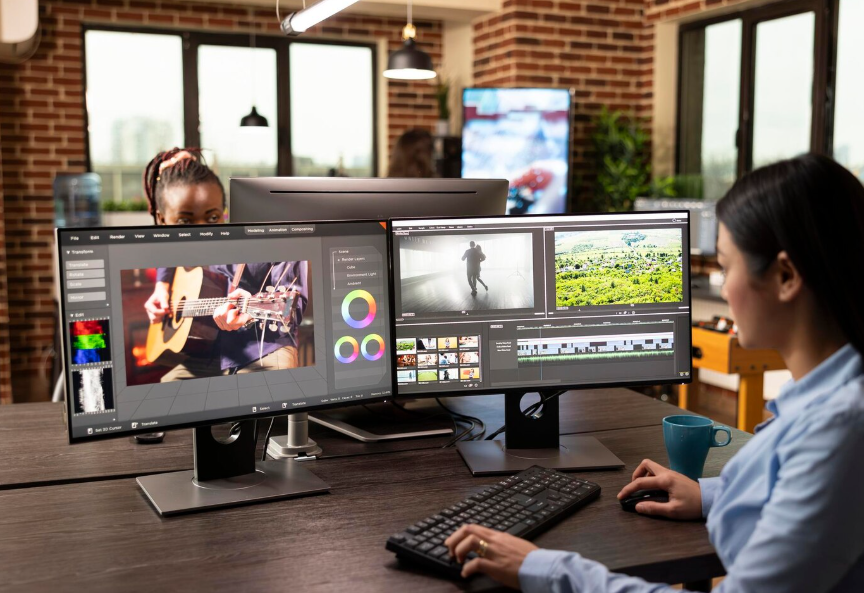
Once the visual direction has been approved, designers and animators can develop the individual elements and bring them together through movement. Sound effects, music and voice-over may also be incorporated where appropriate, creating a more complete viewing experience.
Choosing a Motion Graphics Production Company
Finding the right production partner requires more than looking at visual quality alone. A strong portfolio can provide insight into a company’s creative capabilities, but businesses should also consider whether the production team understands their objectives.
Communication is particularly important. A successful project often involves collaboration between the client and creative team, from the initial concept through to the final revisions. Clear communication can help ensure that creative decisions remain aligned with the intended message.
Businesses should also consider the company’s experience with different formats, industries and types of content. A production team that can adapt its approach to different communication goals may be better positioned to create content that feels purposeful rather than generic.
It is equally important to establish expectations around timelines, revisions and deliverables before production begins. A clear process can help keep the project organised and minimise misunderstandings as the work progresses.
Making Motion Graphics Work Harder for Your Brand
Motion graphics can become particularly effective when they form part of a wider content strategy. A single animation can potentially be adapted into shorter clips, social media content, presentation elements or other digital assets, depending on how the original project is developed.
The most successful motion graphics are usually those that balance creativity with clarity. Eye-catching animation may attract attention, but the underlying message still needs to be easy to understand. If the visuals become too complicated or move too quickly, viewers may miss the information the content was designed to communicate.
A thoughtful approach ensures that every visual element has a role. Movement should guide attention, typography should remain readable, and the overall pace should support the story rather than distract from it.
Conclusion
A professional motion graphics production company can help businesses turn ideas into engaging visual experiences. By combining graphic design, animation, storytelling and sound, motion graphics can make information more accessible while helping brands communicate in a distinctive and memorable way.
From explaining complex services to supporting marketing campaigns and strengthening visual identity, animated content can serve many purposes. The key is to begin with a clear objective and work with a production team that understands how to turn that objective into effective visual communication.
When creativity is supported by thoughtful planning and strong storytelling, motion graphics can become much more than attractive animation. They can become a powerful way for businesses to connect with audiences and communicate ideas in a format that feels modern, clear and engaging.

