

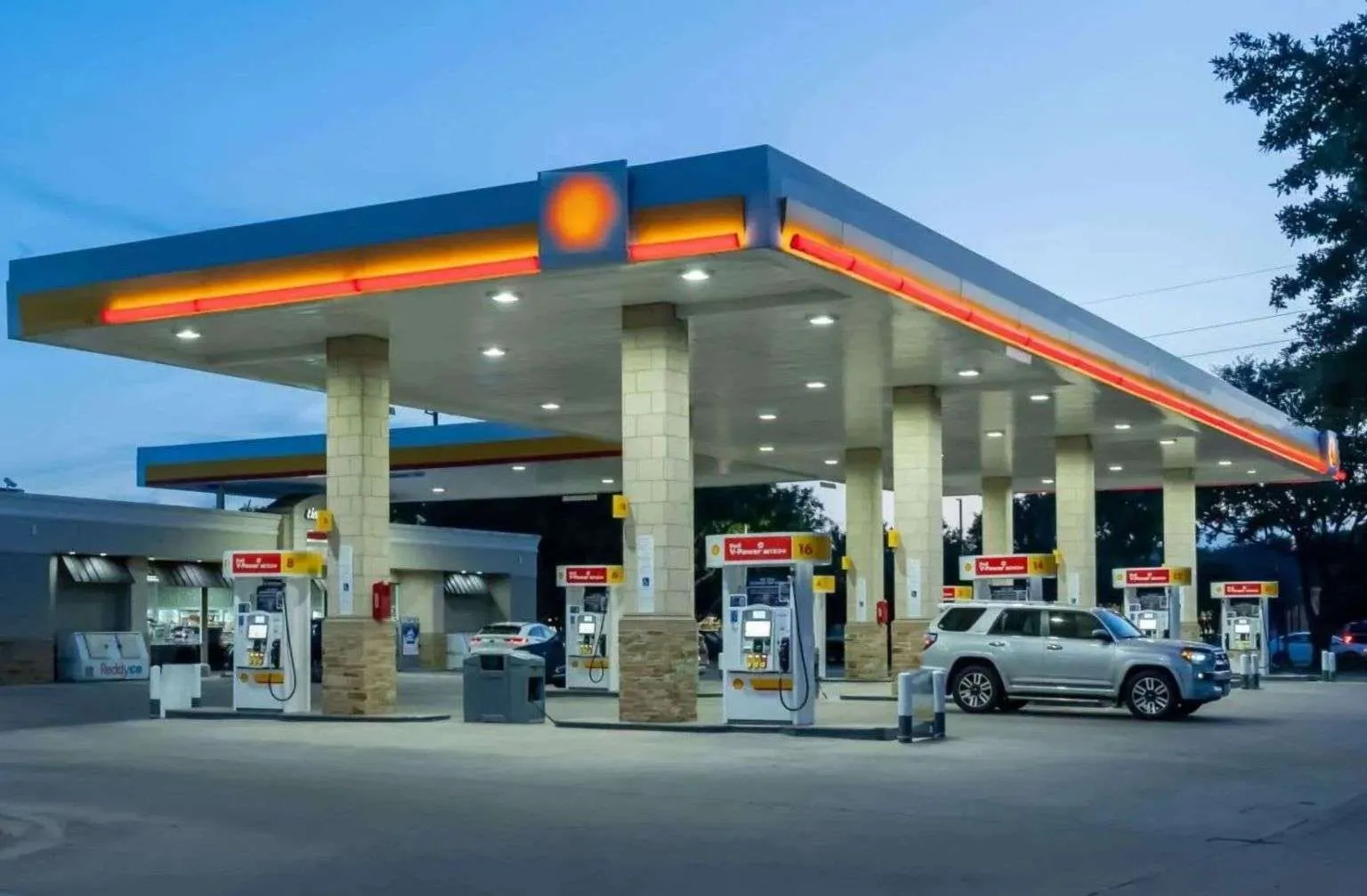
Running a gas pump station requires understanding permits, equipment, and staffing needs. Budgeting for maintenance and compliance costs matters significantly. Exploring financing options for Gas station financing or loans can help cover startup and operational expenses.
Introduction
Owning a gas pump station involves more than pumping fuel. Success depends on careful planning across several key areas. Many new owners underestimate the upfront complexity. This post covers essential knowledge before getting started.
We’ll explore permits, equipment, staffing, and financial planning. Understanding gasoline station financing options also matters significantly. Some owners rely on gasoline station loans to manage startup costs. Preparing thoroughly helps avoid costly mistakes down the road.
Key Areas to Prepare Before Launch of Gasoline Pump Station
| Area | Why It Matters | Common Oversight |
| Permits and Licensing | Legal Operation Requirement | Delayed Approvals |
| Equipment Quality | Safety and Efficiency | Underestimating Costs |
| Financing Strategy | Startup and Operational Funding | Ignoring Loan Options |
| Staffing Plan | Daily Operations Support | Understaffing Peak Hours |
Let’s Discuss In Detail
Understanding Permits and Regulatory Requirements
Regulations vary significantly depending on location and jurisdiction. Running a gas pump station requires multiple permits and licenses. Environmental regulations often govern fuel storage and handling practices. Fire safety codes also apply to most fueling stations.
Delays in permit approval can push back your opening date. Researching requirements early prevents unexpected regulatory roadblocks later. Working with local authorities early simplifies this entire process.
Evaluating Equipment and Infrastructure Needs
Quality equipment directly impacts safety and daily efficiency. Fuel pumps, storage tanks, and safety systems all require investment. A gas pump station needs reliable, well-maintained infrastructure throughout.
Older equipment often increases maintenance costs and the risk of downtime. New owners should budget realistically for equipment expenses upfront. Gasoline station financing can help cover these significant infrastructure costs. Planning equipment needs early prevents costly mid-operation surprises later.
Understanding Startup and Operational Costs
Startup costs often significantly exceed initial owner expectations. Running a gasoline pump station involves both large and recurring expenses. Fuel inventory, insurance, and staffing all require ongoing funding. Many owners underestimate these combined operational costs upfront.
Gasoline station loans can help bridge funding gaps during startup. Understanding true costs prevents cash flow problems later. Accurate budgeting supports smoother, more sustainable business operations overall.
Exploring Gasoline Station Financing Options
Financing plays a major role in a successful launch. Gas station loans helps cover equipment, permits, and initial inventory. Many owners lack sufficient cash reserves to fully self-fund. Exploring financing early keeps startup timelines on track.
Different lenders offer varying terms suited to different needs. Comparing options helps owners find manageable repayment structures. This planning step supports a stronger financial foundation overall.
Understanding Gasoline Station Loans
Loans offer flexible funding for various business needs. Gasoline station loans can cover equipment, renovations, or working capital. Repayment terms vary based on loan type and lender. Understanding these terms prevents unexpected financial strain later.
Owners should compare interest rates and repayment schedules carefully. A gas pump station benefits from manageable, predictable loan terms. Choosing the right loan supports long-term financial stability.
Staffing Considerations for Daily Operations
Staffing directly affects customer experience and daily efficiency. Running a gas pump station requires reliable, trained employees. Peak hours demand adequate staffing to avoid long wait times. Training staff on safety procedures remains essential.
Understaffing can lead to safety risks and customer dissatisfaction. Planning staffing schedules around demand patterns improves overall efficiency. Reliable staffing ultimately supports smoother daily station operations.
Preparing for Ongoing Maintenance Needs
Regular maintenance protects both safety and equipment lifespan. A gas pump station requires routine inspections and upkeep. Ignoring maintenance can lead to costly equipment failures later. Scheduled maintenance also consistently supports regulatory compliance requirements.
Budgeting for maintenance prevents unexpected financial strain down the road. Gasoline station financing can help cover larger maintenance or repair projects. Proactive maintenance planning protects long-term operational reliability.
Understanding Insurance and Risk Management
Insurance protects against unexpected liabilities and operational risks. Running a gas pump station involves specific insurance requirements. Coverage should address fuel handling, liability, and property protection. Skipping adequate insurance exposes owners to significant financial risk.
Reviewing policy details ensures coverage matches actual business needs. This protection supports long-term business stability and confidence. Proper insurance planning remains essential for responsible station ownership.
Choosing the Right Location for Long-Term Success
Location significantly influences overall station profitability. High-traffic roads and visible signage attract more customers. A gasoline pump station near highways often sees stronger daily traffic. Nearby competitors should also be carefully factored into location decisions.
Researching local demographics helps accurately predict potential customer demand. Gasoline station financing decisions often depend on the strength of the chosen location. Choosing wisely here significantly supports long-term business viability.
Understanding Fuel Supply Agreements and Contracts
Fuel supply contracts significantly shape daily operational reliability. Running a gas pump station requires stable supplier relationships. Contract terms affect pricing, delivery schedules, and product availability. Carefully reviewing agreements prevents unexpected supply disruptions later.
Some contracts also include exclusivity clauses worth understanding fully. Comparing supplier terms helps owners secure favorable, reliable arrangements. Strong supply agreements support consistent, dependable daily operations overall.
Tips for New Gasoline Pump Station Owners
- Research permits and regulations specific to your location.
- Budget realistically for equipment, staffing, and maintenance costs.
- Explore gasoline station financing before committing to a location.
- Compare Gas pump financing for manageable repayment terms.
- Train staff thoroughly on safety and customer service standards.
- Schedule regular maintenance to prevent costly equipment failures.
These strategies help new owners prepare more confidently. Thoughtful planning supports smoother, more successful station operations overall.
Why Financial Planning Shapes Long-Term Success?
Strong financial planning supports sustainable station operations in the long term. A gas pump station requires ongoing funding beyond initial startup. Gasoline station financing helps manage both growth and unexpected expenses. Loans provide flexibility during challenging financial periods.
Owners who plan finances carefully avoid unnecessary operational stress. This foresight also supports future expansion or equipment upgrades. Consistent financial discipline ultimately protects long-term business success.
Frequently Asked Questions
1. What permits are needed to run a gas pump station?
Requirements vary significantly by location and jurisdiction. Environmental, fire safety, and business permits typically apply.
2. How can gasoline station financing help new owners?
It covers equipment, permits, and initial inventory costs. This reduces reliance on personal savings alone.
3. What’s the difference between financing and loans for gas stations?
Financing often refers to broader funding arrangements. Loans specifically involve borrowed funds with repayment terms.
4. How much should I budget for equipment costs?
Costs vary based on station size and equipment quality. Research local suppliers for accurate estimates.
5. Is staffing a major cost for gas pump stations?
Yes, staffing represents a significant ongoing expense. Proper scheduling helps manage these costs efficiently.
6. How often should equipment maintenance be scheduled?
Follow manufacturer guidelines and regulatory requirements closely. Regular maintenance prevents costly, unexpected failures.
Final Verdict
Running a gas pump station requires thorough preparation across many areas. Permits, equipment, staffing, and financing all play major roles. Understanding gasoline station financing and gasoline station loans helps you plan smarter. Owners who prepare thoroughly avoid many common early mistakes.
Patriot Capital offers financing solutions for gas station owners nationwide. Their support helps businesses confidently navigate startup and operational challenges. Careful planning today builds a stronger foundation for future success.

