

Furnishing a dining area feels straightforward until you sit down and realize the seat is too low, the fabric shows every crumb, and the frame wobbles after a month of use. Many buyers rush the decision, drawn in by a striking silhouette or a tempting price, only to discover that the wrong chair can quietly ruin every meal it hosts. From cushioning that flattens within weeks to finishes that clash with the rest of the room, the pitfalls are surprisingly common and often expensive to correct. This guide walks through the missteps that most frequently trip up first-time and seasoned shoppers alike, along with practical ways to sidestep them. Whether you are outfitting a compact apartment nook or a formal dining room that hosts weekly gatherings, understanding what not to do is often more valuable than chasing the latest trend. Read on before you place that order.
Ignoring Seat Height and Table Proportions
One of the most overlooked missteps is buying a chair without measuring how it will sit at the table. Standard tables typically sit around thirty inches tall, and comfortable seats fall between seventeen and nineteen inches from the floor. When those numbers do not line up, elbows hover awkwardly, knees knock the apron, and posture suffers through every meal. Buyers often fixate on the look of a chair while ignoring the space between seat top and tabletop, which ideally leaves roughly ten to twelve inches of clearance.
Proportion mistakes extend beyond height. Chairs with wide armrests may not tuck under the table, leaving the room feeling cramped and pathways obstructed. Before committing, sketch out your table dimensions and compare them against the chair specs. Well-designed dining chairs should slide neatly beneath the surface when not in use, freeing up traffic flow around the room. Skipping this quick check is one of the easiest errors to make and one of the most frustrating to live with.
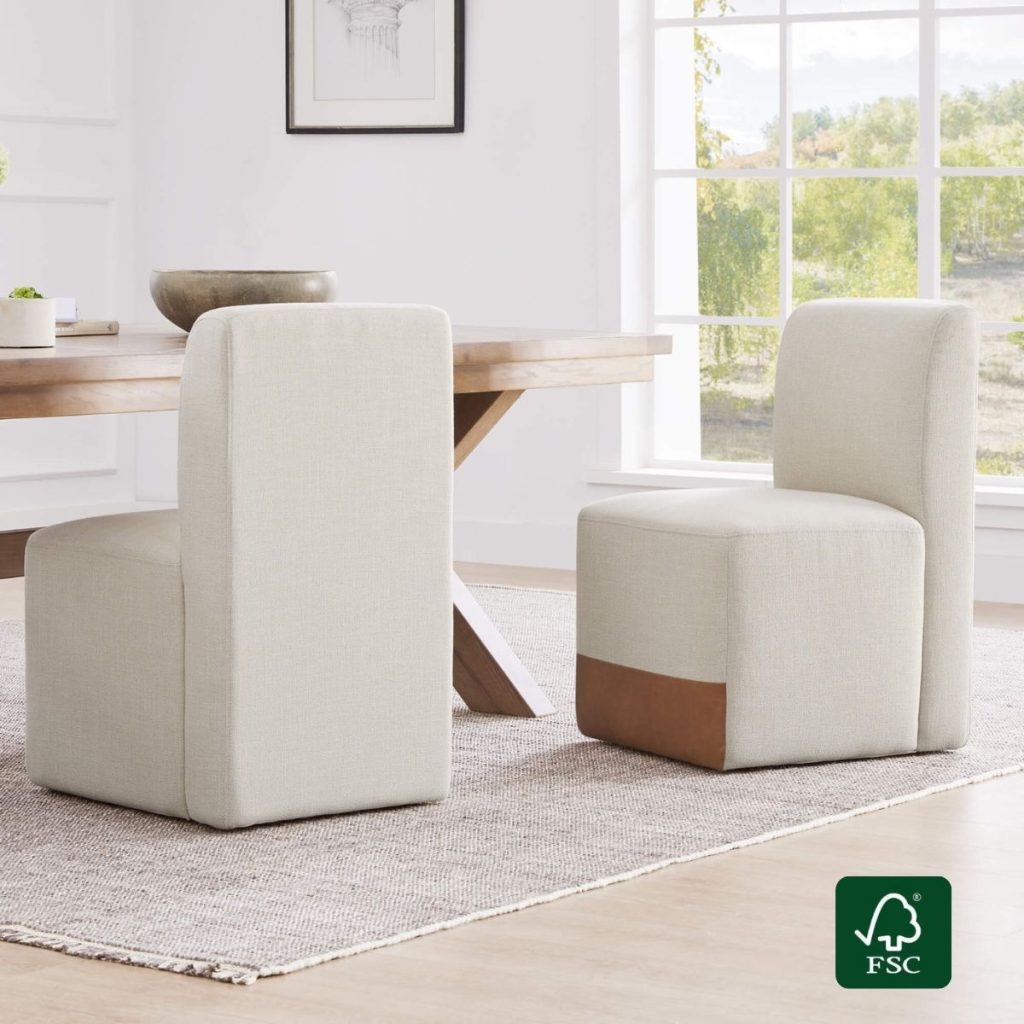
Choosing Style Over Structural Integrity
A photogenic chair is not automatically a durable one. Shoppers often fall for slender legs, ornate backrests, or dramatic silhouettes without asking how the piece is actually built. Joinery matters enormously. Corner blocks, mortise-and-tenon connections, and reinforced stretchers separate a seat that lasts decades from one that begins to creak within a year. Staples and glue alone rarely hold up to regular use, particularly if children, pets, or lively dinner guests are part of the equation.
Weight capacity is another quiet indicator. Reputable makers publish this figure, and it should comfortably exceed the heaviest person likely to sit in the chair. Solid hardwoods like oak, ash, and walnut typically outperform softer or engineered alternatives when it comes to longevity. Lifting the chair before you buy, or checking the shipping weight if you are ordering online, gives a rough sense of substance. Featherweight frames often signal thin materials that will loosen over time.
Overlooking Upholstery and Everyday Use
Fabric selection is where enthusiasm frequently overrides common sense. Velvet, linen, and light-colored textiles photograph beautifully but can be nightmares to maintain in a household that actually eats meals at the table. Wine, olive oil, tomato-based sauces, and grease all leave marks that plain water cannot lift. Buyers who skip performance fabrics or protective treatments often regret it after the first dinner party.
Consider the rub count of the upholstery, which measures abrasion resistance. Anything above fifteen thousand double rubs is generally acceptable for residential dining use. Removable or wipeable seat covers add a practical layer of protection for busy homes. Leather and high-performance woven blends handle spills gracefully, while textured weaves hide minor blemishes better than smooth solids. Matching the fabric to your actual lifestyle, rather than an idealized version of it, prevents heartache later.
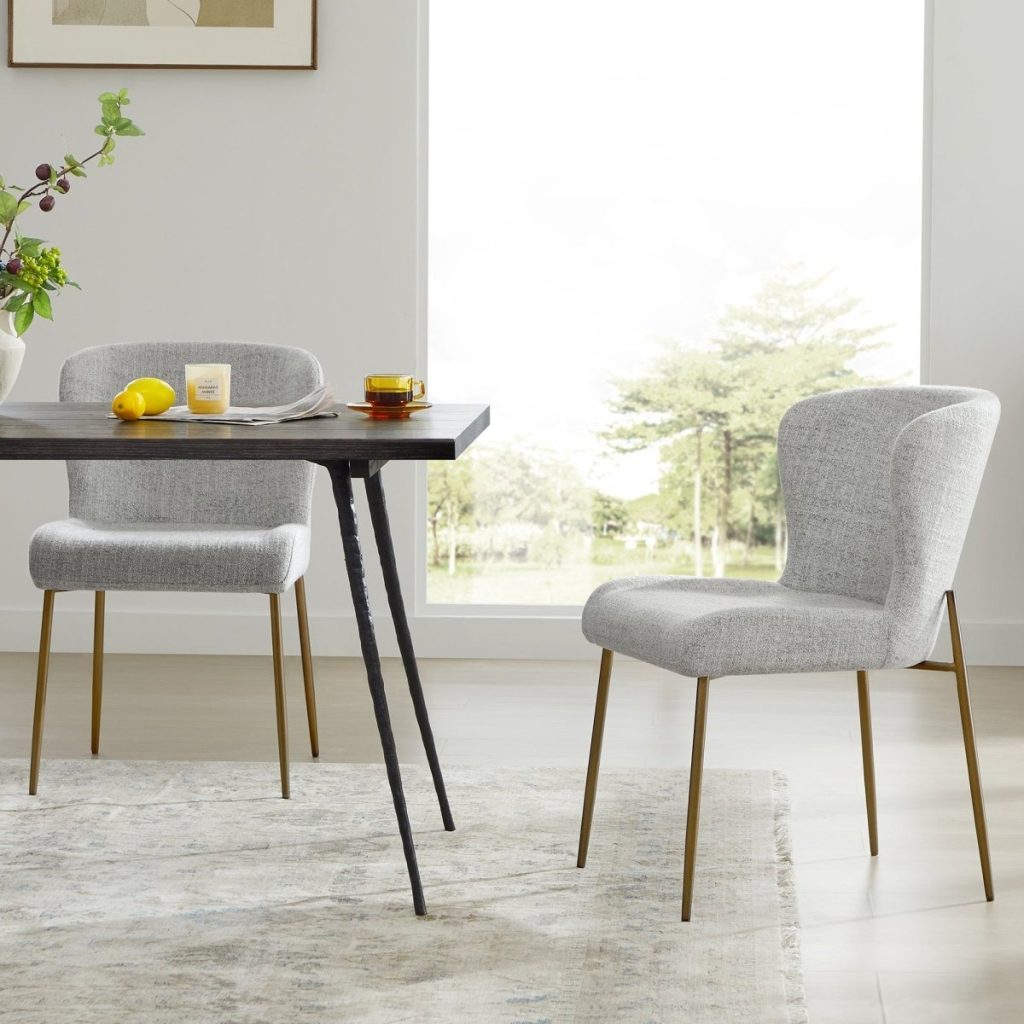
Buying a Set That Clashes With the Room
Another frequent misstep is treating chairs as an isolated purchase rather than part of a larger visual composition. A sleek modern chair paired with a rustic farmhouse table can work when balanced intentionally, but it can also feel chaotic when the styles fight for attention. Undertones matter. A warm oak floor, a cool grey rug, and a chair finished in yellow-tinged wood can create subtle friction that is hard to name but easy to feel.
Take note of the finishes already present in the space, from the table base to nearby cabinetry and metal fixtures. If mixing styles, anchor them with a shared element, whether that is a common tone, a repeated material, or a unifying silhouette. Ordering fabric swatches and finish samples before committing prevents costly returns. Curated furniture houses such as CHITA LIVING often provide these samples specifically because the difference between an online photograph and a physical piece under your own lighting can be dramatic.
Skipping Comfort Testing and Return Policies
Comfort is subjective, and no product description can substitute for actually sitting in the chair for an extended period. A seat that feels supportive during a quick showroom test may become punishing during a two-hour holiday dinner. Cushion density, backrest angle, and lumbar support all influence how long guests linger at the table. Firm foam maintains its shape but can feel unforgiving. Soft cushioning feels luxurious initially but may bottom out over time.
When purchasing online, read the return and exchange policies carefully. Some retailers charge steep restocking fees or exclude assembled items from returns entirely. Others offer generous trial periods that allow you to test the chairs in your own home. Documenting the delivery condition with photographs protects you if any damage is discovered later. A brand willing to stand behind its product with a fair return window signals confidence in the quality being sold.
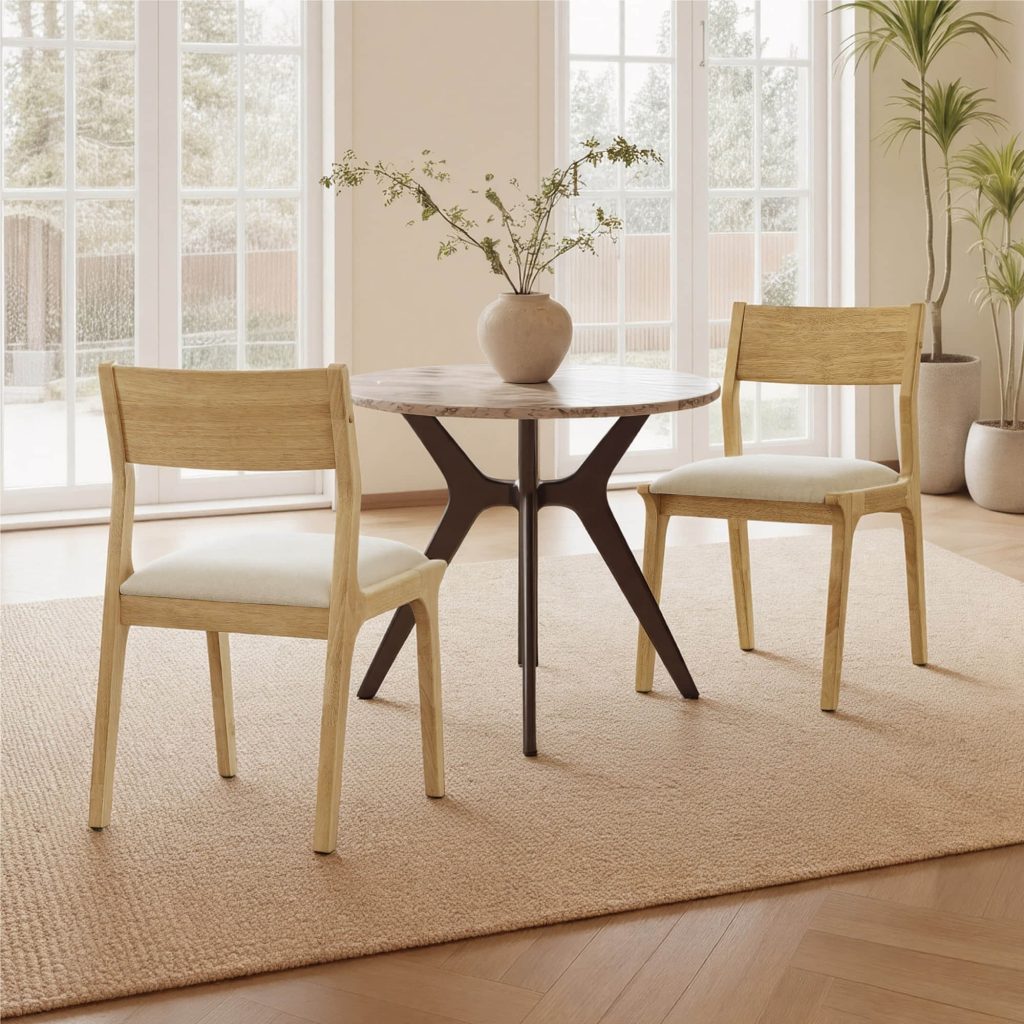
Underestimating Assembly and Long-Term Care
Finally, many buyers ignore what happens after the box arrives. Some chairs come fully assembled, while others require attaching legs, tightening bolts, and aligning backrests. Assembly quality directly impacts stability, so following the included instructions precisely and periodically retightening hardware is essential. Chairs subjected to shifting humidity or dragged across floors without felt pads tend to loosen faster than those treated with basic care.
Long-term maintenance is equally overlooked. Wood finishes benefit from occasional conditioning to prevent drying and cracking. Upholstery lasts longer when vacuumed regularly and treated promptly after spills. Rotating chairs around the table distributes wear evenly, so the head-of-table seat does not age faster than the rest. These small habits extend the life of a dining set considerably and protect the investment you made in choosing well.
Shopping Smarter for a Table That Lasts
The chairs surrounding your table shape every meal you share, and rushing that decision almost always leads to regret. Measuring carefully, prioritizing sturdy construction, matching upholstery to your real lifestyle, and confirming return policies transform a potentially frustrating purchase into one you will appreciate for years. Style still matters, but it should follow function rather than override it. Take the time to compare finishes in person when possible, sit in the chairs before committing, and confirm the fine print on warranties and delivery. A thoughtful approach protects you from the pitfalls that catch most shoppers off guard. When the seats are comfortable, the frames are solid, and the aesthetic ties the room together, the dining space becomes a place where people naturally want to gather. That is the quiet reward of buying well the first time, rather than replacing hastily chosen furniture a season later.

