

Finding the right seat for your living room can feel like a small decision until you realize how much time you actually spend in it. Reading, watching movies, feeding a baby, catching up on a show after a long shift, or simply pausing between meetings, your favorite chair carries a lot of your day. A swivel recliner has quietly become one of the most versatile pieces of modern furniture because it blends the deep comfort of a traditional recliner with the flexibility of a rotating base. You can turn toward a conversation, pivot toward a window, or lean back for a nap without ever standing up. This walkthrough breaks the buying process into clear, practical stages so you can move from browsing to a confident choice without second-guessing. From measuring your space and understanding mechanisms to choosing upholstery and planning long-term care, every stage matters. Follow along and you will know exactly what to look for, what to skip, and how to match the chair to the way you actually live.
Step One: Understand What a Swivel Recliner Really Offers
Before comparing brands or fabrics, take a moment to understand the category itself. A swivel recliner is not just a rotating chair with a footrest. It is a piece of engineered seating that combines a smooth 360-degree base with a reclining mechanism, and often with a glider motion or power adjustment. The result is a chair that adapts to different postures throughout the day rather than locking you into one position. Some models add lumbar support that follows your spine as you lean back, while others include a headrest that tilts independently. Understanding these layered features helps you compare products fairly rather than judging them by looks alone.
Once you can name the parts, decisions become easier. A busy family room may benefit from a durable manual model with a strong swivel base, while a quiet nursery might call for a power-operated swivel recliner that glides gently and stops at any angle. Nailing down what you want the chair to do is the foundation for every choice that follows, from size to fabric to the mechanism inside.
Step Two: Measure Your Space and Plan the Layout
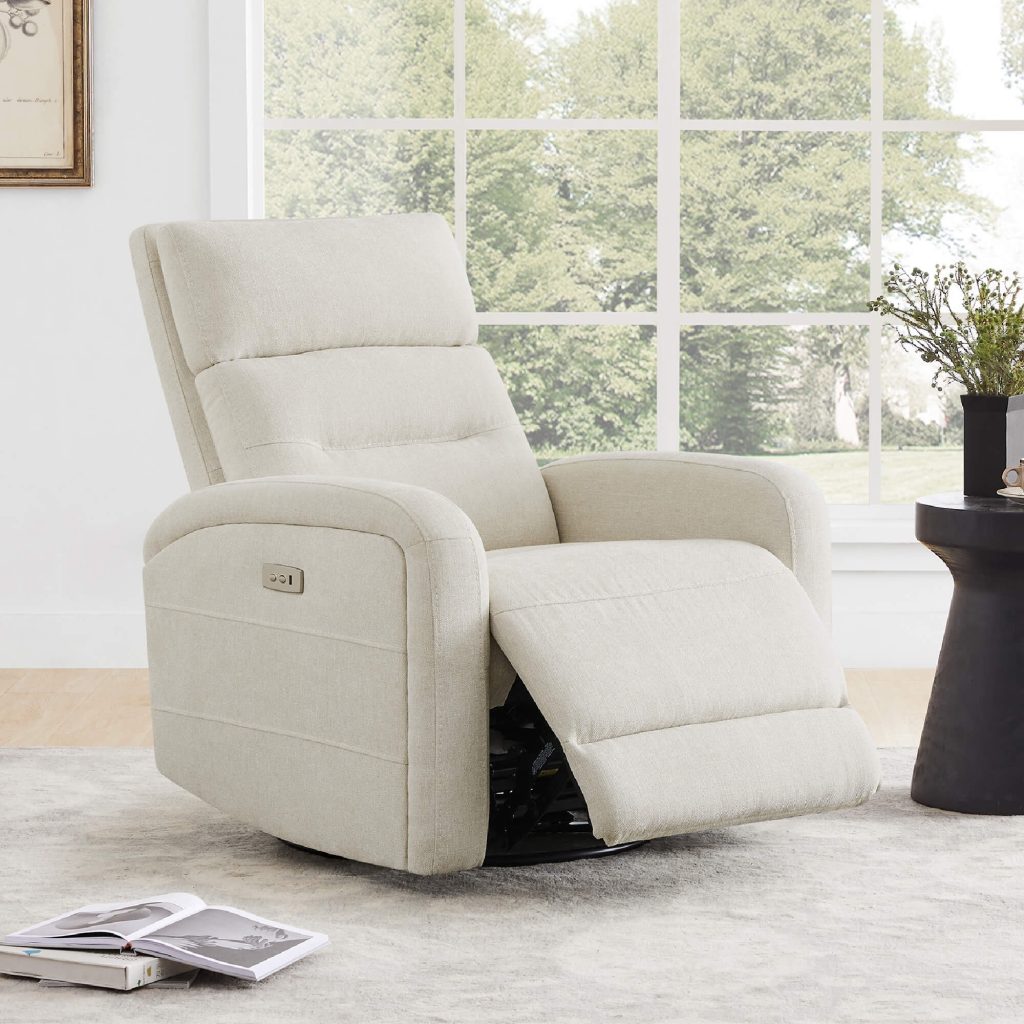
Comfort begins with fit. A recliner that looks perfect in a showroom can overwhelm a small apartment or float awkwardly in a large open plan. Start by measuring the footprint you have available, including the swing radius the chair needs when it swivels. Most swivel recliners require at least a few extra inches of clearance on each side so the base can turn freely without bumping side tables or wall trim. Then measure the reclined depth, which is often longer than the upright depth by a noticeable margin.
Think about traffic flow too. If the chair sits near a doorway, you want the footrest to extend without blocking the path. If it sits beside a sofa, the two pieces should complement each other in scale so neither looks oversized. Sketch the layout on paper or use a simple tape outline on the floor before you commit. This one habit saves more returns than any other planning step.
Step Three: Match the Mechanism to Your Routine
Swivel recliners come in several mechanical styles, and the right one depends on how you plan to use it. Manual recliners rely on a lever or a push-back motion. They are typically lighter, simpler to move, and require no outlet, which makes them a strong choice for rooms with flexible layouts. Power recliners use a small motor to adjust the backrest and footrest at the touch of a button. They allow infinite stopping points, which is helpful if you like reading in one position and napping in another.
Glider recliners add a gentle back-and-forth motion that many people find soothing, especially for reading, feeding an infant, or unwinding after a long day. If you plan to use the chair for hours at a time, consider a model that combines swivel, glide, and recline in one frame. Fewer separate motions mean fewer moving parts to wear out, but a well-built multi-function chair can offer all three smoothly for years.
Step Four: Choose the Right Upholstery and Frame
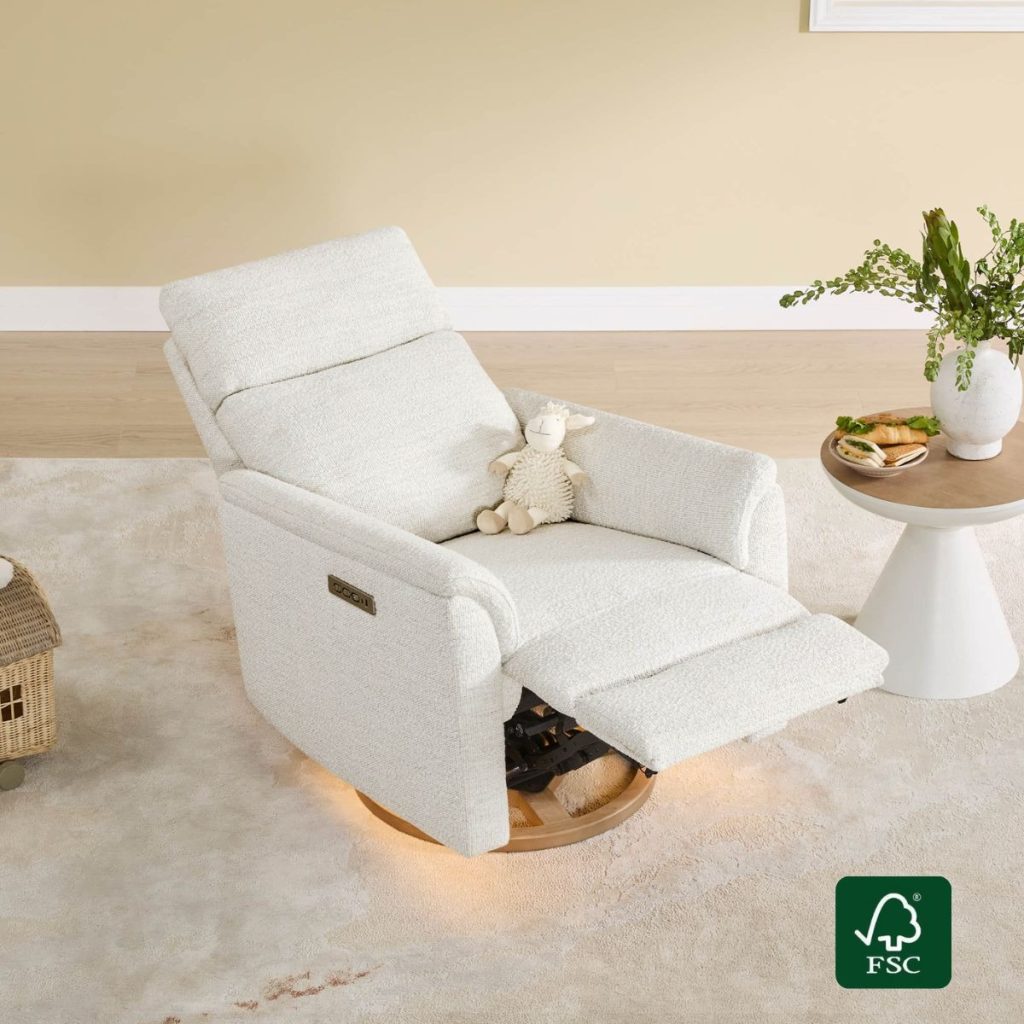
Upholstery is the layer you touch every day, so it deserves as much attention as the mechanism inside. Performance fabrics resist stains and hold their color under strong sunlight, making them a smart choice for family rooms and homes with pets. Top-grain leather develops a rich patina over time and wipes clean easily, but it can feel cool in winter and warm in summer if the room lacks temperature balance. Boucle and chenille bring texture and warmth but may need more careful cleaning.
The frame underneath matters just as much. Kiln-dried hardwood resists warping, and reinforced joinery keeps the chair steady through years of swiveling and reclining. Ask about the suspension system as well. Sinuous springs deliver even support, while eight-way hand-tied springs offer a more traditional, cushioned feel. Brands like CHITA LIVING publish detailed construction notes for their swivel recliners, which makes it easier to compare models on the specifics rather than on marketing language alone.
Step Five: Test for Body Support and Long Sessions
A chair can look beautiful and still leave your lower back sore after an hour. When you test a swivel recliner, sit in it the way you would at home. Recline fully, then bring it back to an upright position and check whether the lumbar area still feels supported. Rest your head against the back and see whether the headrest meets your neck comfortably. Try crossing your legs, stretching them out, and turning to one side as if you were reaching for a coffee cup on a side table.
Pay attention to a few small details during this test:
- The seat depth should let your feet touch the floor when you sit upright.
- The armrests should meet your elbows without forcing your shoulders up.
- The recline motion should feel smooth from start to finish, with no jerky stops.
If any of these feel off, keep looking. A chair you will use daily should feel right within the first minute, not require adjustment sessions to become bearable.
Step Six: Plan for Longevity and Care
The last practical stage is thinking beyond the purchase. A well-chosen swivel recliner should serve you for many years, and a few habits will help it get there. Rotate the seat cushion regularly to prevent uneven wear. Vacuum the crevices to keep dust and crumbs from grinding into the fabric. Wipe leather with a soft cloth and condition it lightly once or twice a year to keep it supple.
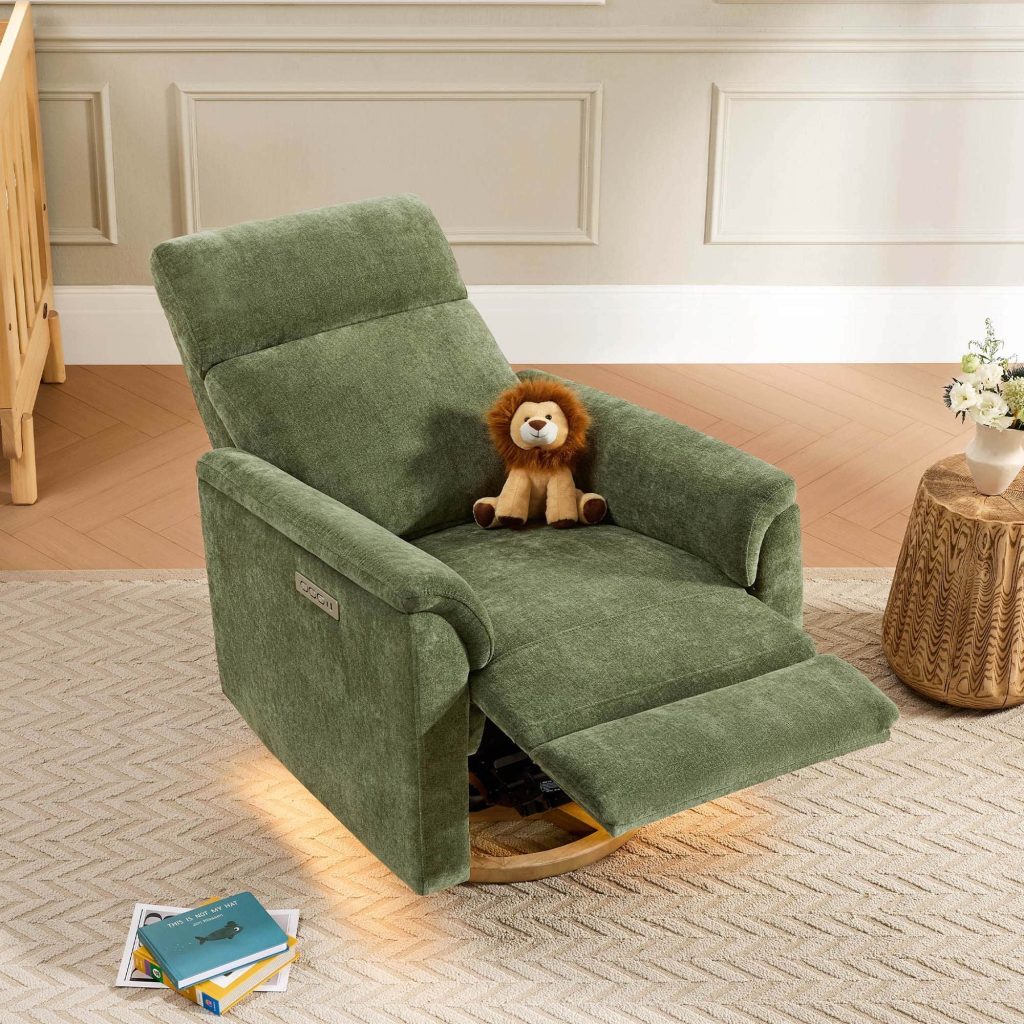
For power models, keep the cable path clear so it never gets pinched under the base. If the chair sits in direct sunlight, consider a lightweight throw during peak hours to slow fabric fading. Most importantly, keep the warranty paperwork in a place you can find. Small issues like a squeaky swivel plate or a loose bolt are usually easy to resolve when you have the documentation on hand. Treated with basic care, a quality swivel recliner from a thoughtful maker such as CHITA LIVING can remain a favorite seat in your home long after other furniture has been replaced.
Bringing It All Together for a Chair You Will Love
Choosing a swivel recliner is not about chasing the trendiest silhouette or the highest specification sheet. It is about matching a piece of furniture to the way you actually live, then trusting the details to hold up over time. When you understand what the category offers, measure your space with intention, pick a mechanism that suits your routine, and select upholstery and framing built to last, the decision becomes far less overwhelming. Add in a proper sit test and a simple care plan, and you set yourself up for years of easy comfort. Whether the chair ends up in a busy living room, a quiet reading nook, or a nursery where late-night feedings feel a little softer, the process is the same. Move step by step, focus on how the chair supports your body and your habits, and let the everyday moments confirm that you made the right call.

