

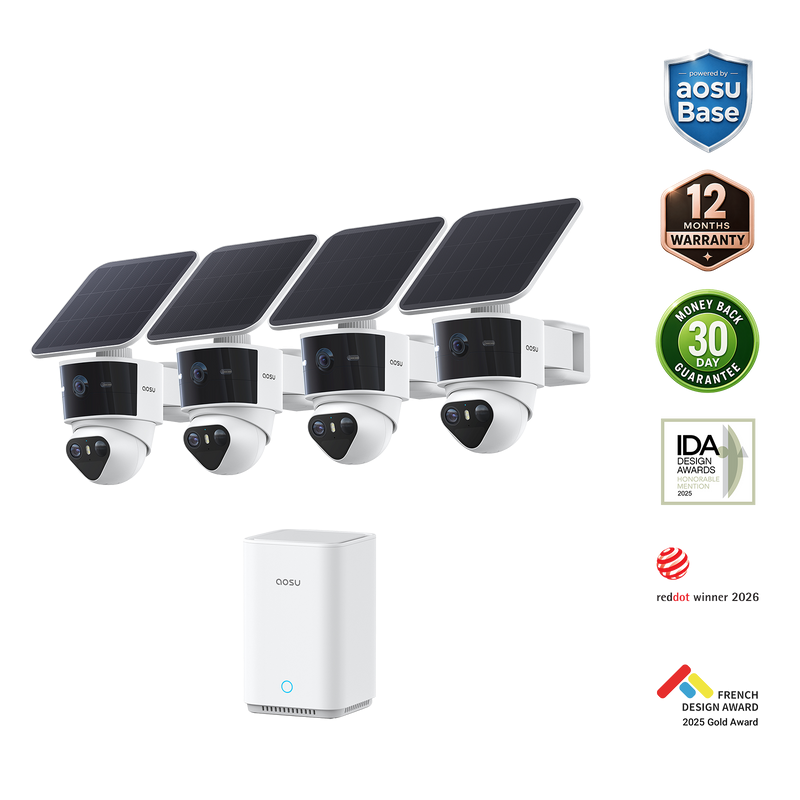
A rental property sits in an odd middle ground when it comes to exterior monitoring. Tenants often don’t want to invest in permanent equipment for a home they’ll leave in a year, while landlords hesitate to install cameras that might raise privacy concerns or require constant upkeep between move-ins. Outdoor video surveillance cameras have become the practical middle path, since modern units mount without structural changes and can be relocated or reconfigured as tenants change.
Whether you’re renting and want visibility over a shared driveway, or managing a property and trying to cut down on package theft and vandalism complaints, the right outdoor camera setup depends on understanding what each party actually needs from the system. This guide breaks down how renters and landlords can approach outdoor coverage differently while still ending up with a setup that works for both.
What Tenants Actually Need From an Outdoor Camera
For someone renting a house or a ground-floor unit, the priority is usually a single high-traffic entry point: the front porch where packages land, or a side gate that’s the main route in. A tenant rarely needs full-property coverage, since the surrounding structure and common areas are the landlord’s concern. Choosing a camera that mounts with adhesive strips or a small non-permanent bracket keeps the installation reversible, which matters when a lease ends and the unit needs to go back on the wall exactly where a landlord expects it.
Weatherproofing still matters even for a temporary setup, since a camera exposed to rain or direct sun for a full year of tenancy needs to hold up the same way a permanent installation would. Skimping on build quality because the arrangement feels temporary usually just means replacing the camera partway through the lease.
Handling Footage When You Move
Outdoor footage tied to a specific address becomes less useful the moment a tenant moves elsewhere, and cloud plans that require a fixed installation location can complicate a mid-lease relocation. Favoring a camera with local storage, or a cloud service that ties to the account rather than the physical address, means the system and its historical footage travel with the tenant rather than staying behind.
What Landlords Should Prioritize
Landlords typically care more about shared spaces than individual unit entrances: the main building entrance, a shared parking area, or a mailbox cluster that’s a repeated target for theft. These areas benefit from a camera built for wider coverage and longer-term, uninterrupted operation, since the system needs to survive tenant turnover without anyone dismantling it.
AOSU’s outdoor video surveillance cameras are built for exactly this kind of continuous exterior use, with weatherproofing rated for year-round exposure regardless of who’s currently occupying the unit nearby. For a landlord covering several properties, standardizing on one camera line also simplifies training new tenants on how the shared system works without repeating a different explanation for every building.
Balancing Coverage With Tenant Privacy
Cameras aimed at shared spaces need to stay clearly out of any tenant’s private windows, patio, or individual entrance, both as a matter of good practice and often as a legal requirement depending on local regulations. Testing the camera’s actual field of view after mounting, rather than assuming the angle looks right from the ground, catches accidental overreach into private areas before it becomes a complaint.
Placement Decisions That Serve Both Parties
Height and angle matter just as much in a rental context as they do for an owned home, maybe more, since a poorly placed camera generates weak footage that neither the tenant nor the landlord can actually use if something happens. Mounting between seven and nine feet with a slight downward angle toward the actual walking path, rather than a wide shot of the whole yard, produces footage detailed enough to matter.
For properties changing hands between tenants regularly, choosing mounting hardware that allows small angle adjustments without full reinstallation saves time. A new tenant’s parking habits or preferred entry point might shift the ideal camera angle slightly, and being able to nudge it rather than remount from scratch keeps the transition simple.
Connectivity in Shared Living Situations
Outdoor cameras covering shared spaces in multi-unit buildings often compete with several other networks for wifi bandwidth. Testing actual signal strength at the mounting location, not just assuming building wifi reaches every corner of a parking lot or side entrance, avoids a system that drops footage exactly when overall building traffic spikes in the evening.
Outdoor Coverage That Works for Every Lease
Renters and landlords approach outdoor camera coverage from different angles, but both benefit from thinking clearly about what each installation actually needs to accomplish. Tenants should favor portable, reversible setups tied to their own account rather than a fixed address, while landlords covering shared spaces need durable, continuous coverage that survives turnover without repeated reinstallation.
Getting placement and privacy boundaries right from the start prevents most of the friction that outdoor cameras can otherwise introduce into a rental relationship, leaving both sides with footage they can actually rely on when something goes wrong.

