

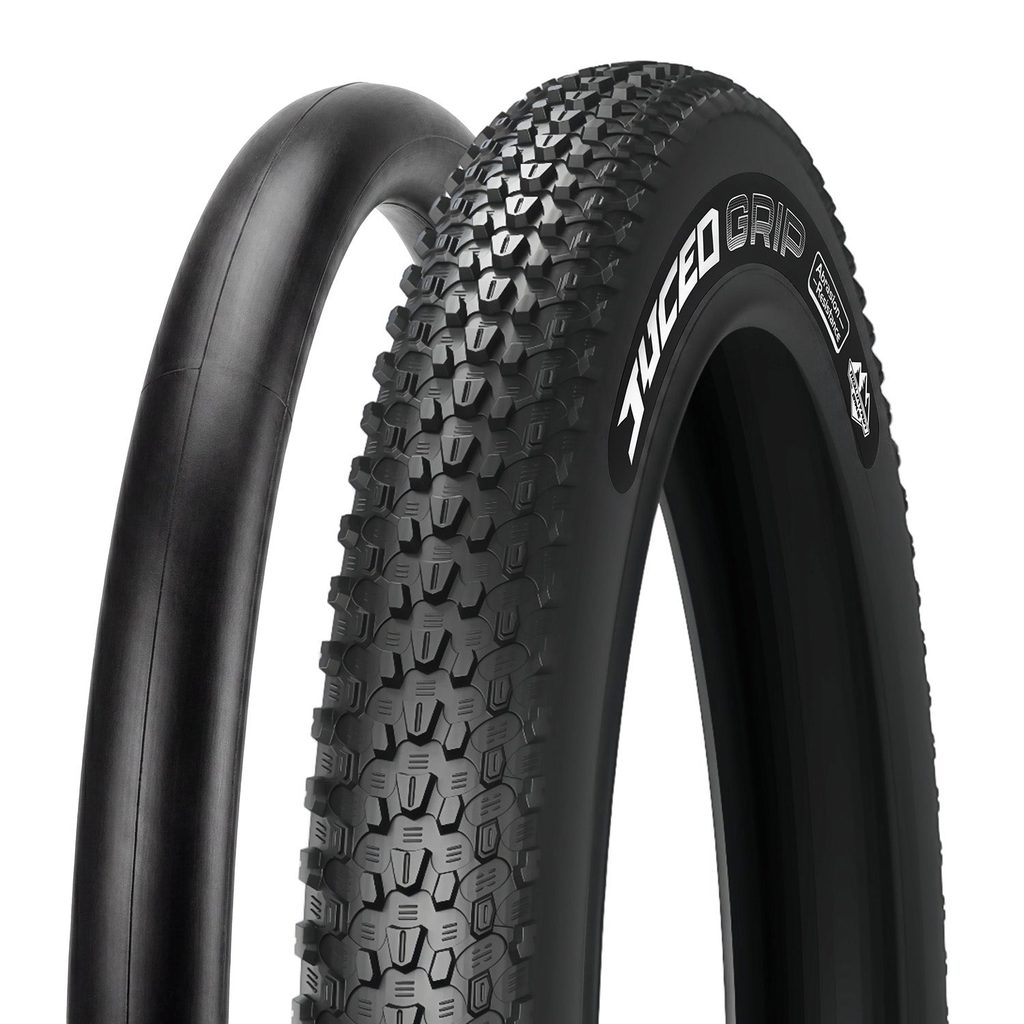
Take a close look at a well-used mountain bike tire and you’ll often notice something odd: the center knobs are worn smooth while the shoulder knobs on the sides still look nearly new, or one side of the tread has degraded faster than the other. This uneven wear isn’t random, and understanding why it happens can tell you a lot about your riding habits and whether your current tire setup actually fits them.
Uneven wear is also a useful diagnostic tool. Rather than just being an inconvenience, the pattern left behind on a worn tire reveals riding style, pressure habits, and even trail selection in ways that are worth paying attention to before buying a replacement.
Why Center Knobs Wear Faster Than Shoulder Knobs
Center tread makes contact with the ground during straight-line riding, braking, and climbing, which covers the vast majority of time spent on the bike for most riders. Shoulder knobs only engage during cornering, when the bike leans and the tire’s outer edge takes over. Unless you’re cornering aggressively and often, center knobs will naturally see far more cumulative wear.
This is completely normal and doesn’t necessarily indicate a problem, but it does mean judging tire life solely by shoulder knob condition can be misleading. A tire with pristine-looking shoulder knobs might still have severely degraded center tread and reduced braking traction as a result.
What Lopsided Wear Says About Your Riding
If one side of the tire wears noticeably faster than the other, it often points to a trail system with predominantly one-directional turns, or a riding style that favors certain types of corners over others. Riders who primarily ride loop trails with consistent turn direction sometimes see this pattern develop over a season without realizing why.
Pressure Imbalance and Wear Patterns
Running pressure too low can also cause accelerated wear on the shoulder knobs, since the tire deforms more under cornering load and the edges take on stress they weren’t designed to handle at that pressure. Checking pressure regularly and adjusting for your typical terrain helps prevent this kind of premature, avoidable wear.
When Uneven Wear Means It’s Time for a Replacement
Uneven wear becomes a real problem once it starts affecting predictability, particularly when center knobs flatten enough to reduce braking grip while shoulder knobs remain sharp, creating an inconsistent feel between straight-line and cornering traction. At that point, rotating tires front to back can sometimes extend usable life, since front and rear tires typically wear differently based on braking and steering forces.
When rotation no longer solves the problem, it’s worth reviewing what tread and compound actually suits your dominant riding style rather than replacing with the same setup that wore unevenly in the first place. A browse through mountain bike tires with clear terrain and compound descriptions makes it easier to choose something that distributes wear more evenly for your specific riding pattern.
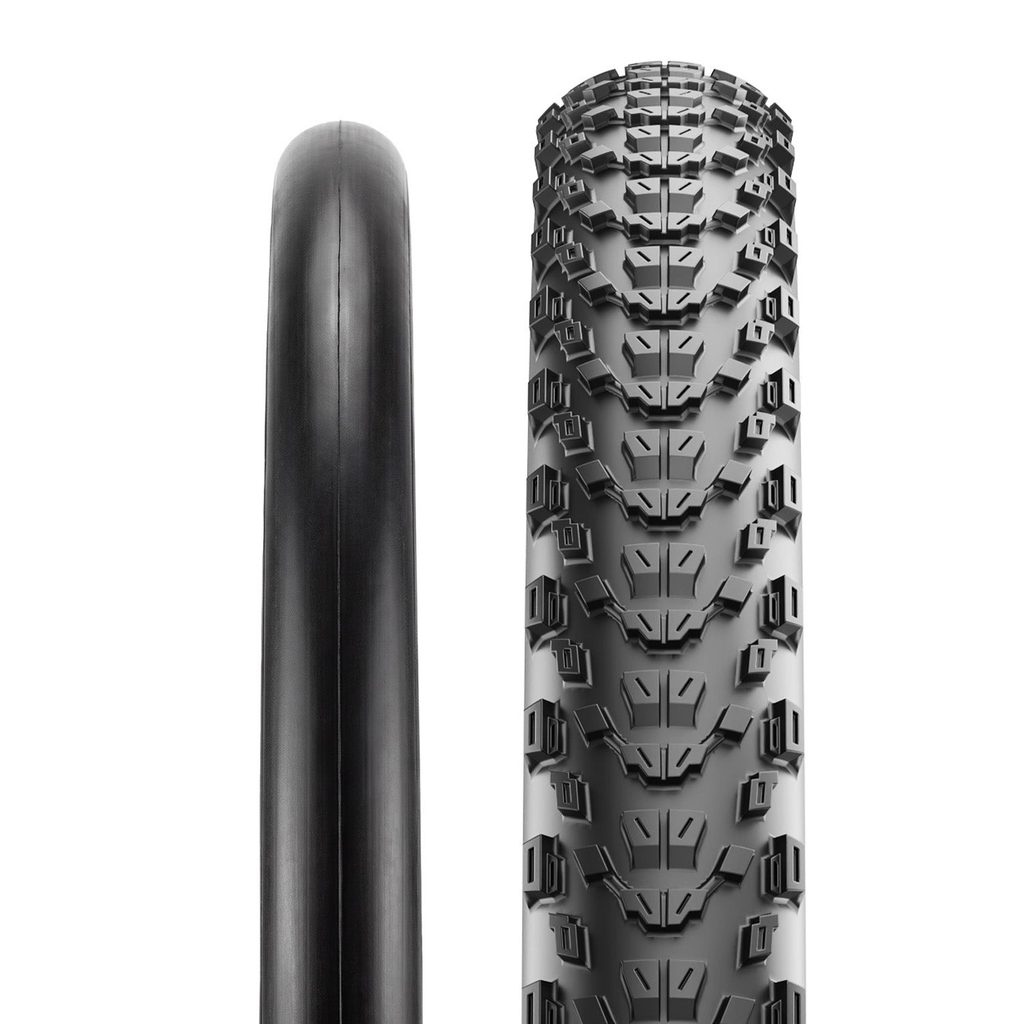
Juceo designs its tread compounds with this kind of wear distribution in mind, aiming for knob geometry that holds up consistently across both straight-line and cornering use rather than degrading unevenly after a single season.
Reading Your Tire Wear Correctly
Uneven tire wear isn’t a flaw, it’s feedback. Center wear reflects your straight-line riding and braking habits, while shoulder wear reflects cornering style and trail selection. Reading these patterns correctly helps you catch pressure issues early and choose a better-suited tire when it’s time to replace the current one.
Pay attention to how your tires wear over a season rather than just replacing them on a fixed schedule. That pattern is one of the most honest sources of information about your riding you’ll find anywhere on the bike.

