

Picking a comforter set is one of those decisions that feels small until it’s the thing you’re wrapped in every single night. It sets the tone for the whole room, holds up to years of washing and daily use, and either makes getting into bed feel like a small reward or just another routine. Plenty of sets look appealing in a catalog photo but fall short once they’re actually unpacked, either running too warm, too thin, or clashing with everything else already in the room. The people shopping for these sets usually fall into a few clear groups: someone furnishing a new bedroom from scratch, someone replacing worn-out bedding that’s lost its shape, and someone simply looking to refresh a room’s look without a full renovation. Each of these situations calls for slightly different priorities, whether that’s coordinated pieces, durability, or color and texture. Understanding which category you fall into before shopping makes the whole process faster and far less likely to end in a return.
Furnishing a New Bedroom from the Ground Up
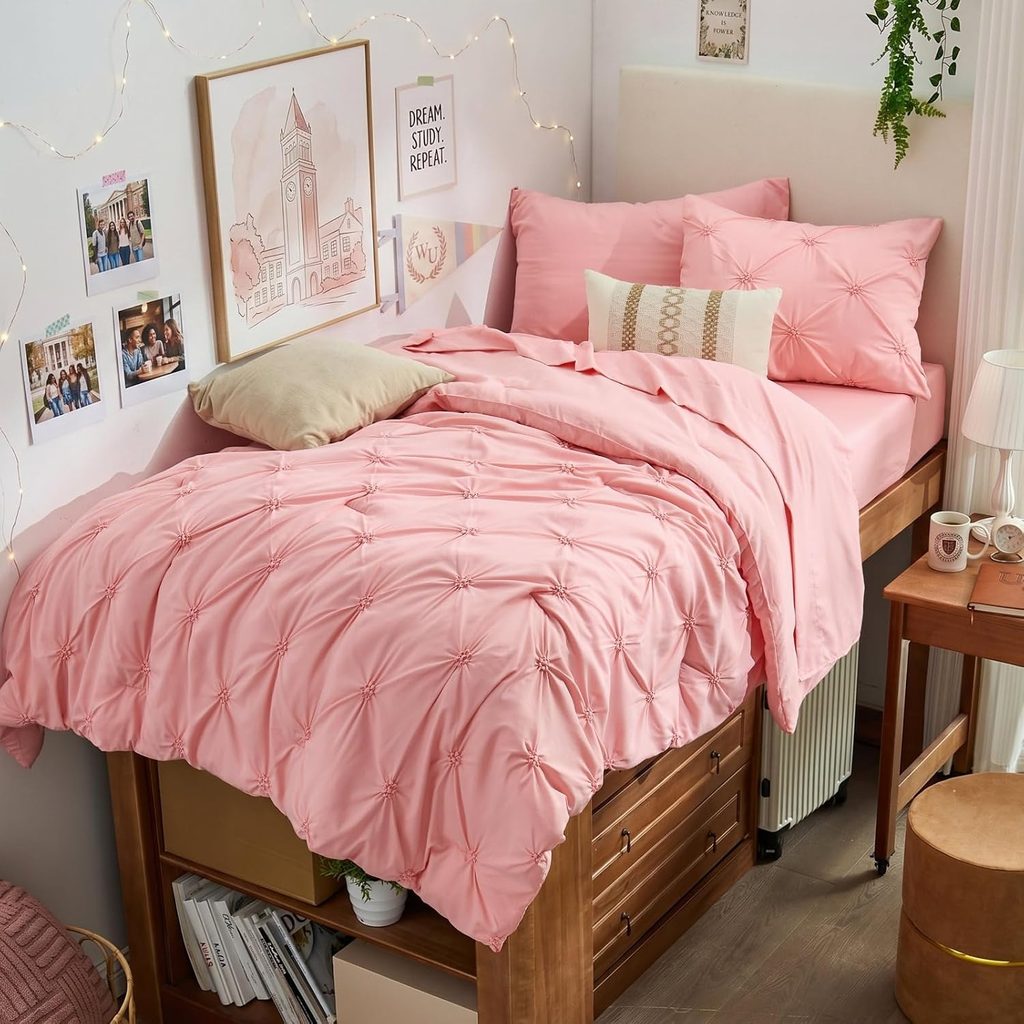
Starting a bedroom from scratch means every piece of bedding needs to work together, which makes a full multi-piece set a practical starting point rather than a luxury. A seven-piece bed-in-a-bag setup typically includes shams, decorative pillows, and sometimes a bed skirt alongside the comforter, which removes the guesswork of trying to color-match separate pieces bought from different places. Pintuck-textured sets are a popular choice here because the raised detailing gives a bed a more finished, hotel-like look without needing extra styling or additional throw pillows. For someone setting up a bedroom for the first time, whether that’s a first apartment or a guest room being furnished for visitors, choosing a complete coordinated set saves both time and the risk of mismatched patterns. It’s worth checking the exact piece breakdown before buying, since not every listing includes the same combination of shams and accents, and knowing what’s included ahead of time prevents an unexpected gap once the bed is actually being made.
Replacing Bedding That’s Past Its Prime
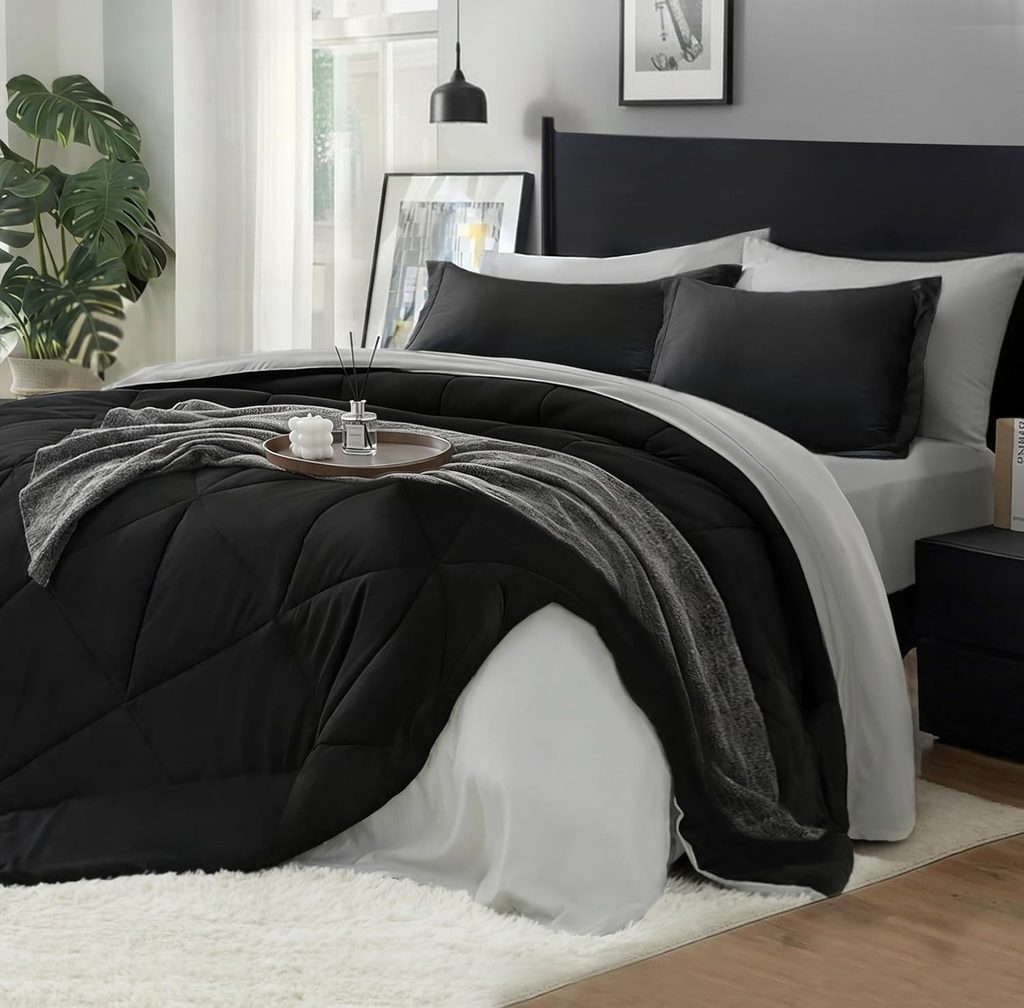
There’s a specific moment when a comforter stops doing its job, usually marked by flattened fill, visible wear along the edges, or fabric that’s gone thin and see-through in spots. At that point, the priority shifts from matching an entire room’s aesthetic to finding something durable enough to last through years of regular washing and daily use. A well-made comforter with even fill distribution and a tightly woven fabric holds its shape far longer than a budget option that looks similar on the surface but breaks down within a season or two. This is also a good moment to reconsider fabric weight altogether, since the comforter being replaced may have been too warm or too light for the room’s actual climate. Choosing a best comforter sets option based on durability and appropriate warmth, rather than just replacing like with like, often solves a comfort problem that had been quietly lingering for years without anyone quite pinpointing the cause.
Refreshing a Room’s Look Without Starting Over
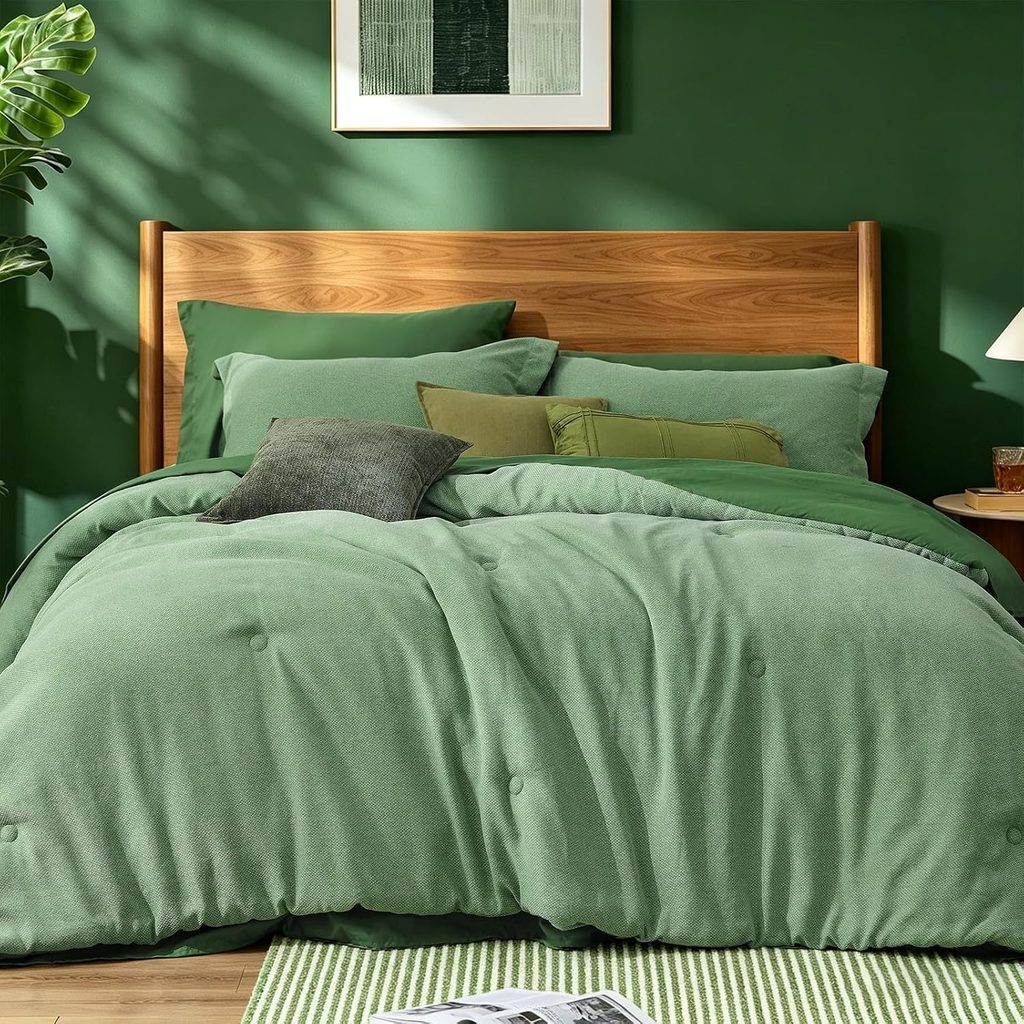
Not every comforter change is about wear and tear. Sometimes a room just needs a different feel, and a new comforter is one of the fastest, least disruptive ways to get there. Swapping a plain neutral comforter for something in a textured olive green or a soft muted tone can shift a room from generic to intentional without touching furniture, paint, or flooring. Fleece options work particularly well for this kind of seasonal refresh, adding a noticeably cozier feel heading into colder months while still being easy to swap back out once the weather warms up. Anyone taking this approach should think about how the new comforter interacts with existing curtains, rugs, and wall color, since a comforter chosen in isolation can end up clashing even if it looked appealing on its own. A quick refresh like this tends to have an outsized impact relative to the effort involved, since the comforter is the single largest fabric surface in most bedrooms.
What Separates a Good Set from a Great One
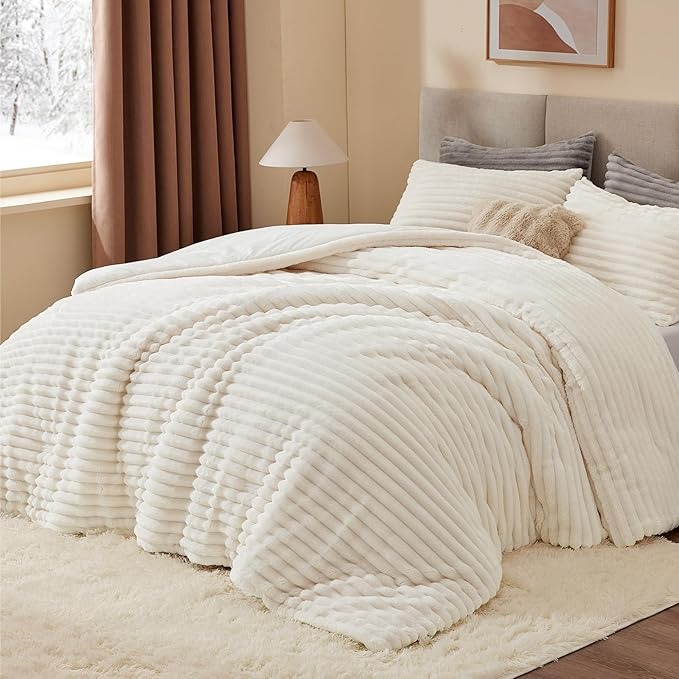
Beyond the specific reason for buying, a few universal qualities separate a comforter set that lasts from one that doesn’t. Even fill distribution, checked by holding the comforter up to light or gently shaking it to see if fill clumps in certain spots, is one of the clearest indicators of quality. Stitching that includes baffle boxes or quilted channels tends to keep fill in place far better than a comforter with only edge stitching, which allows fill to shift and bunch over time. Fabric that feels soft but not overly slick also tends to hold up better long term, since very slippery finishes often wear thin faster with repeated washing. A fleece-lined option can offer an especially soft, warm feel that works well as either a primary comforter in cooler climates or an added layer during winter. Taking a moment to check these details before purchasing, rather than relying solely on price or appearance, is what turns a decent-looking set into one that still looks and feels good years down the line.
Choosing a Set That Fits Your Actual Life
The best comforter set isn’t necessarily the most expensive or the most photographed one online, it’s the one that matches the specific situation driving the purchase, whether that’s furnishing a new room, replacing worn-out bedding, or simply wanting a change. Bedelite offers a range of comforter set styles built around exactly these different needs, from fully coordinated multi-piece sets to cozy fleece options suited for colder months. Thinking through piece count, fill quality, and how a set fits the room’s existing style before buying leads to a comforter that earns its place on the bed for years, not just until the next sale catches your eye.

